
How James Gunn Changed Music In Cinema
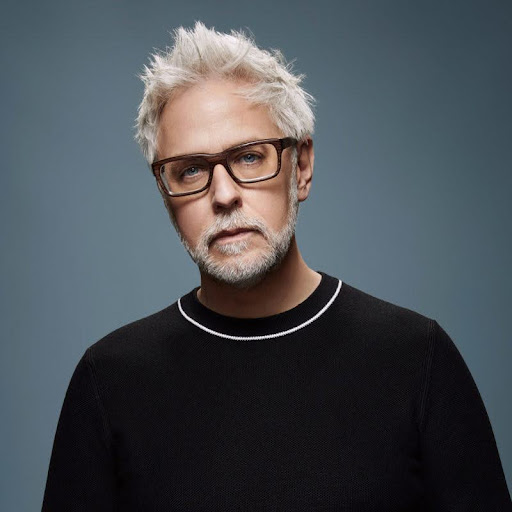
James Gunn has one of the most prolific careers in the modern cinematic landscape. After getting his start as a punk-indie darling, he has become one of Hollywood’s most consistently successful directors.
Since the beginning of his career, Gunn’s directorial style has been consistently characterised by the use of copywritten music. On its own, this is not unique; other directors, such as Quentin Tarantino, used radio music in films like “Pulp Fiction.” However, those songs were less centered in the story, simply enhancing what was already there.
Gunn, a St. Louis native, was once a musician himself (acting as the frontman of his punk band The Icons) before transitioning to independent film. While The Icons didn’t last, Gunn continued on a musical trajectory by working on movie soundtracks, contributing to films like “Movie 43,” “Scooby-Doo” and “Scooby-Doo 2: Monsters Unleashed.” Gunn’s pre-Guardians work established a relationship with radio music that would define his career. The “Scooby-Doo” soundtrack, for example, included a wide variety of music from alternative rock bands like Simple Plan and Sugar Ray. The music in the Scooby-Doo films defines the way they are seen today. The songs created for the first movie, “Scooby-Doo,” included Simple Plan’s “Grow Up” and Sugar Ray’s “Words to Me.” These songs would go on to start James Gunn’s continued trend of rock-based soundtracks.
There’s something eternally punk about Gunn, not only due to his striking resemblance to blink-182’s Mark Hoppus, but also through his continued use of rock that extends far beyond the standard classic 70s–80s rock that was prevalent in film when he started. When “Scooby-Doo” and its sequel came out, music was still mostly sold as CDs or in other physical media. Today, Gunn showcases his refined taste in music as it relates to film in new ways. The director has a Spotify account with many playlists pertaining to his film “Superman,” which exhibit his wide taste. It includes famous artists like David Bowie and lesser-known indie darlings like Nilüfer Yanya and Nicole Atkins.
Audiences really began associating music with the director after his Marvel film debut, “Guardians of the Galaxy.” The film, released in 2014, was an incredibly risky bet for the studio. It featured Gunn, a relatively unknown director, at the helm of intellectual property that was unfamiliar to most people. Still, Gunn made a film that resonated with many people, largely due to its use of music. In the film, the main protagonist, Peter Quill, is defined by his love of music from his childhood. When he’s on screen, radio hits from the 1970s are often used to emphasize his eternally naïve, Peter Pan-like qualities. Songs like Redbone’s “Come and Get Your Love” and Blue Swede’s cover of “Hooked on a Feeling” even enjoyed a resurgence in popularity as a result of the film.
Gunn repeated this radio-reminiscent soundtrack in the sequels to the 2014 film. “Guardians of the Galaxy” did have a score of its own composed by Tyler Bates, but it aided the rock tracks that weren’t created explicitly for the film.
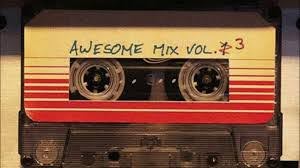
In many ways, Gunn’s career and use of music can be split between the pre- and post-“Guardians” eras. His movies, following the release of “Guardians of the Galaxy,” utilized recording artists more than ever before.
His time at Marvel was short-lived, as Gunn was eventually fired when old, controversial tweets resurfaced. Regardless of the context under which his career took a turn, this was not the end of Gunns’ music-film connection. This wouldn’t spell the end for Gunn, however. He was soon hired by DC Studios, which signed him on to direct the rebooted DC universe.
One artist who went on to appear in several Gunn-led DC productions is Cincinnati’s Foxy Shazam, with whom Gunn started working after his Marvel run. This relatively unknown indie rock band started as a nu-metal band but quickly shifted its sound to a more mainstream hard rock sound. Gunn first encountered the band long before they were included in any of his projects; however, he was immediately enthralled by them. Gunn remained a vocal fan. Their major DC debut, however, wouldn’t be until the release of the film “Superman” by Gunn, which would be immediately overshadowed by their performance of the season two opening song for “Peacemaker.” Gunn even introduced them on stage months before the release of season two, calling them “objectively the greatest rock and roll band.”
Foxy Shazam saw a massive uptick in popularity thanks to Gunn’s charity. Gunn also featured other indie artists, such as Wig Wam, a Norwegian glam metal band that wrote the theme song for the first season of “Peacemaker.” The Swedish electronic group Teddybears also received the James Gunn stamp of approval when he used their song “Punkrocker,” featuring Iggy Pop, in the film “Superman.”
Many fans appreciate Gunn’s ability to utilize well-known and lesser-known songs to bolster the themes of his films. He has a rich history of uplifting music that never got its proper due, as well as fostering the rediscovery of the beauty in older songs. His latest work, 2025’s “Superman,” shows a continued appreciation for this style of soundtracking in cinema. Gunn’s use of the post-punk song “Punkrocker” carries thematic weight for the character, as do the playlists he made to show how specific genres influenced him. Gunn’s use of songs is almost always deep cuts from semi-popular artists or indie acts. This ability to showcase new art within another medium is a commendable tradition that ought to be considered in more mainstream films. Gunn’s ability to spotlight artists will most likely continue in his mainstream films, furthering art and keeping some bands afloat.
Regions: Boston