Obsessed with Independent Film Since 1976
Latest Highlights
-
New York Film Festival Sept 25 – Oct 16
In a metropolis up to its ears in film fests, NYFF remains head and shoulders above the rest As a…
-
Where Visual Art Meets Science: The Inner Workings of Maeva Var
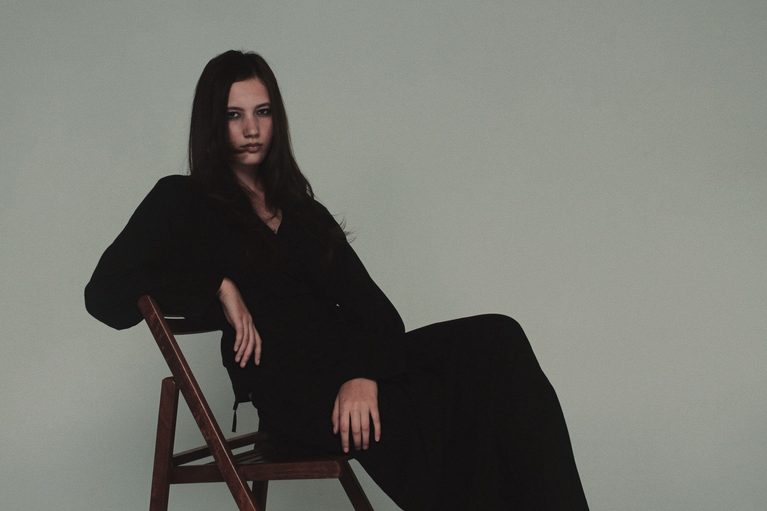
Visual artist and emerging director Maeva Var leans into grotesque and surreal imagery to explore complexities in human psychology, a…
-
The Independent Staff Picks: Favorite Summer 2026 First Watches
We at The Independent hope you had a great summer! As we get into the swing of a new school…
-
‘Deseando Amar’ — Interpreting Wong Kar-Wai’s masterpiece in a new light
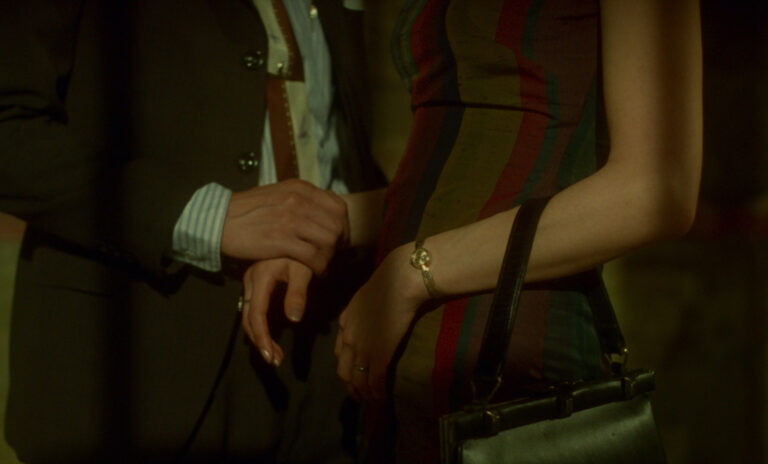
Prior to visiting Cines Babel in Valencia, Spain, I had already seen “In the Mood for Love” five times. I…
-
The method behind ‘Method’: Ashton Arbab’s first feature
Not every 23-year-old is writing, directing, producing and acting in their production company’s latest film. But with his first feature…
-
Theater Etiquette — If Not in Cannes Then Where?
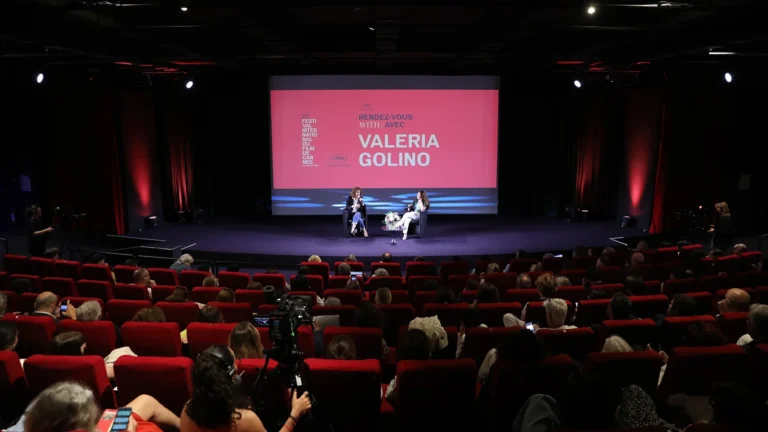
In Cannes’ own Salle Buñuel Theater, I waited for Akira Kurosawa’s 1943 directorial debut “Sanshiro Sugata” (newly restored in 4K…
Editors’ Picks
-
Tribeca Festival June 3-14
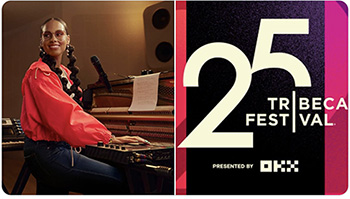
Tribeca at 25: The one NYC fest offering 118 new movies—for openers! Your critic’s first salute in Tribeca’s 25th is…
-
Open Roads Italian Festival May 28-June 4
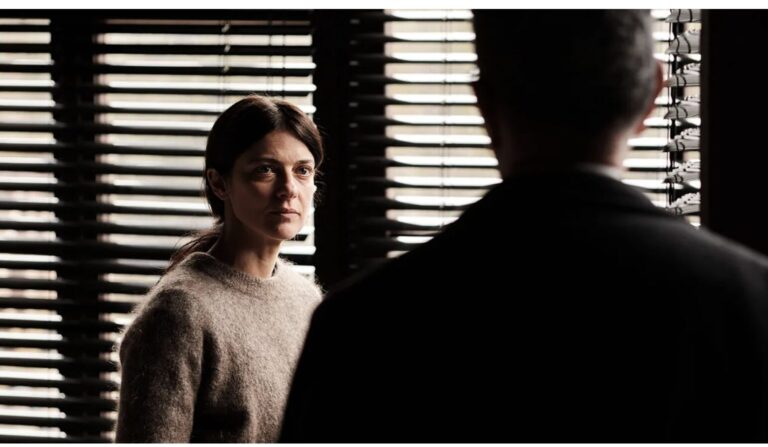
Lincoln Center’s 25th Italian fest proves eternal cinema themes endure for eternity Dollar for dollar, year after year, Lincoln Center…
-
New Directors/New Films April 8-19
In a world where most film directors start by making shorts, just one New York fest shows them all to…