Patrick Page brings actor’s charm but writer’s naivete in ‘All the Devils Are Here’
“All the Devils are Here: How Shakespeare Invented the Villain”, a one-man “play” written and performed by Tony-nominated theater legend…

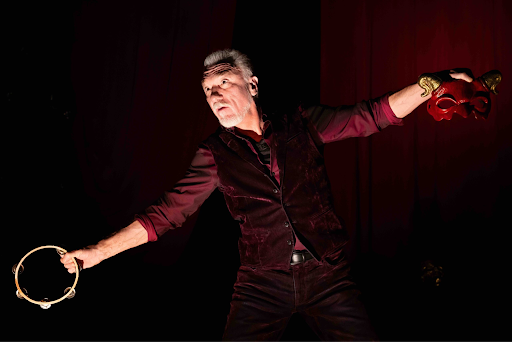
“All the Devils are Here: How Shakespeare Invented the Villain”, a one-man “play” written and performed by Tony-nominated theater legend…
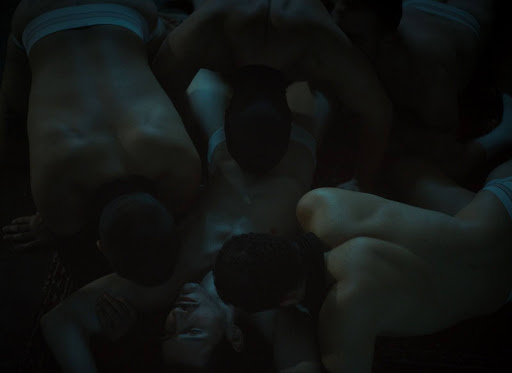
In his sophomore feature ‘Drunken Noodles,’ filmmaker Lucio Castro captures a plethora of these quiet moments, contrasting them with euphoric tableaus of various gay dalliances. The film spiritually evokes a space between two worlds: the hushed atmosphere of a cruising site and the unburdened revelry of one of Sal Salandra’s canvases (the real-life artist who inspires a crucial character in the film). Inside of this delicately drawn world, protagonist Adnan — a graduate student house sitting for his uncle in New York City while working at a small art gallery — seeks to fulfill his desires.
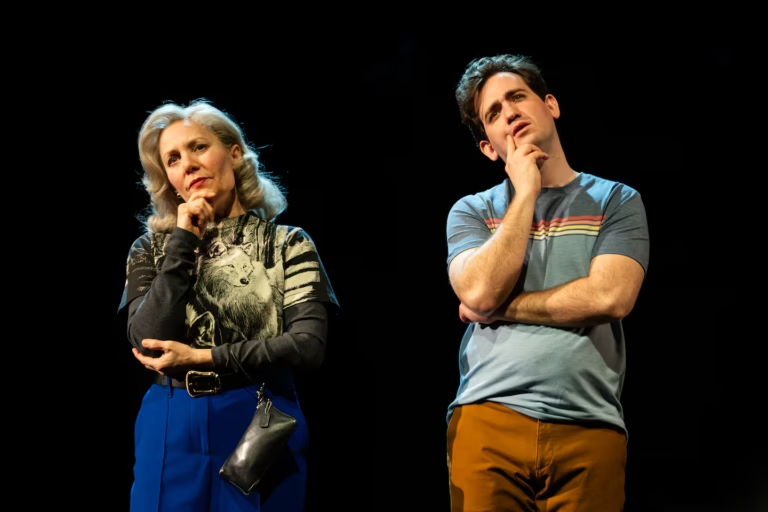
In “We Had a World,” now having its New England premiere at The Huntington, playwright Joshua Harmon does the opposite. True, the one-act play is filled with explosive family arguments and petty vendettas, but is equalized so much by its genuine writing that the tender and sweet moments, though buried underneath the drama, are just as potent.
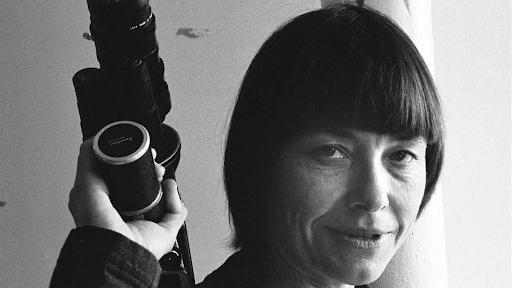
Barbara Hammer spent decades filming lesbian bodies and desire, insisting audiences feel what they’d largely never seen. A pioneering experimental filmmaker, she created over 80 films that made queer life visible when very few others would. This year, “Barbara Forever,” premiered at the Sundance Film Festival, telling Hammer’s life story through her own voice and archive.
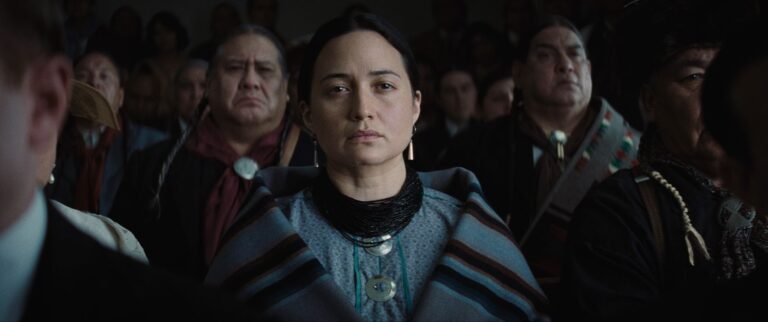
At last year’s Academy Awards, Lily Gladstone was the first Indigenous American to be nominated for Best Actress. Her nomination was one of 10 Oscar nominations for Martin Scorsese’s film “Killers of the Flower Moon,” which many celebrated as progress for Indigenous representation in Hollywood.
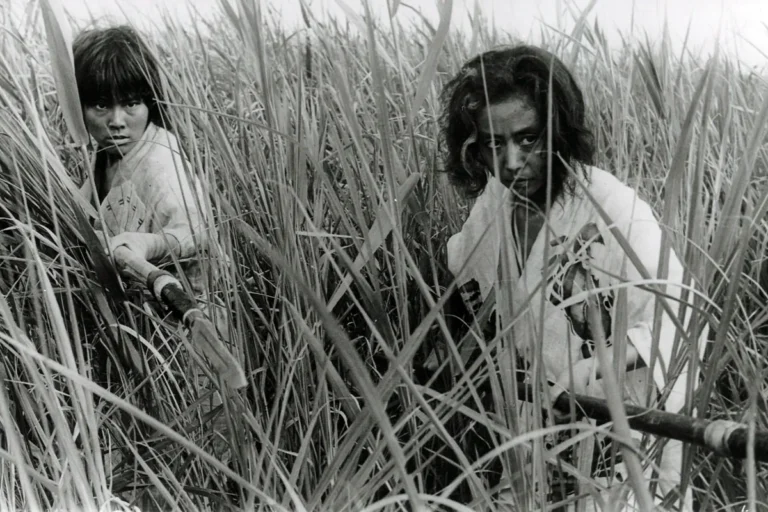
“THE MOST DARING FILM IMPORT EVER . . . FROM JAPAN!” is how Toho Studios first advertised “Onibaba” to foreign audiences. With a sex-centered plot that features disturbing, psychosexual encounters between characters, writer/director Kaneto Shindo’s intentionally controversial 1964 horror film pushed the limits of both Japanese and international censorship laws. Mildly censored in Japan and banned outright in countries such as the U.K., “Onibaba” serves as a deeply unusual combination of folkloric story and bold, modern sexuality.
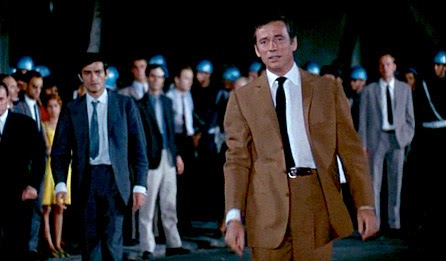
Post-WWII, the sixties were a period of military dictatorships and one-party governments around the world. In Europe, one of the only countries that had a military dictatorship, or junta, was Greece, after a bloodless coup orchestrated by the leadership of army colonel and subsequent Prime Minister Georgios Papadopoulos. This military junta inspired French-Greek filmmaker, Costa-Gavras, to create the film “Z” in 1969. Due to its critique of the government, the film would not be released in Greece until after the fall of the junta.
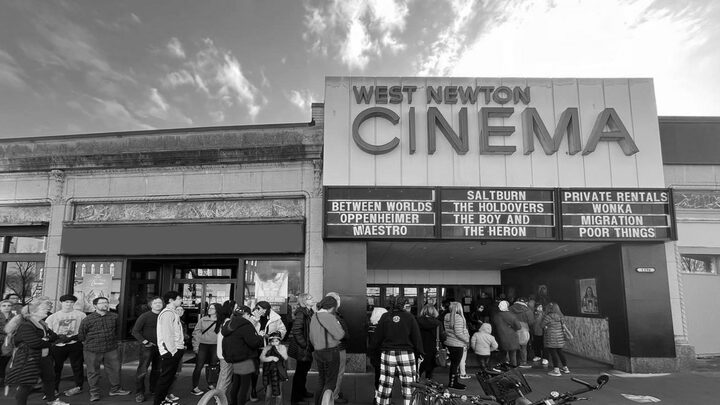
“Snow White” (1916) was shown for one night only — and not one more — on Screen One of The West Newton Cinema, an independent theater nestled between a massage parlor and audiologist ten miles west of Downtown Boston. Current showings are pasted on the low marquee and the ticket booths are covered in multicolored post-its and flyers. It has stood on Washington Street for nearly 90 years, and was recently saved by the West Newton Cinema Foundation (or WNCF), a nonprofit organization formed by the local community to keep the theater alive through financial difficulties and the age of streaming.
As we make our hesitant return to the routines of fall semester, I find myself reminiscing on the summer. Particularly,…