
Are Women Just Not Funny?: Stand Up for Women
Historically silenced in all parts of the world, comedy provides an actionable space for women to demand visibility and express themselves succinctly on their own terms — oftentimes avoiding censorial laws through the guise of irony innate to the medium. And still, female comics are struggling to break through gender barriers.
Female stand-up comedians are at direct odds with traditional patriarchal ideals; those which suggest that women should be quiet, respectable and polite. In an industry with such a large male, ego-heavy group, the women who sustain themselves in this environment typically have to have a thicker skin, a looser mouth and a boldness that acts as both a shield and a sword.
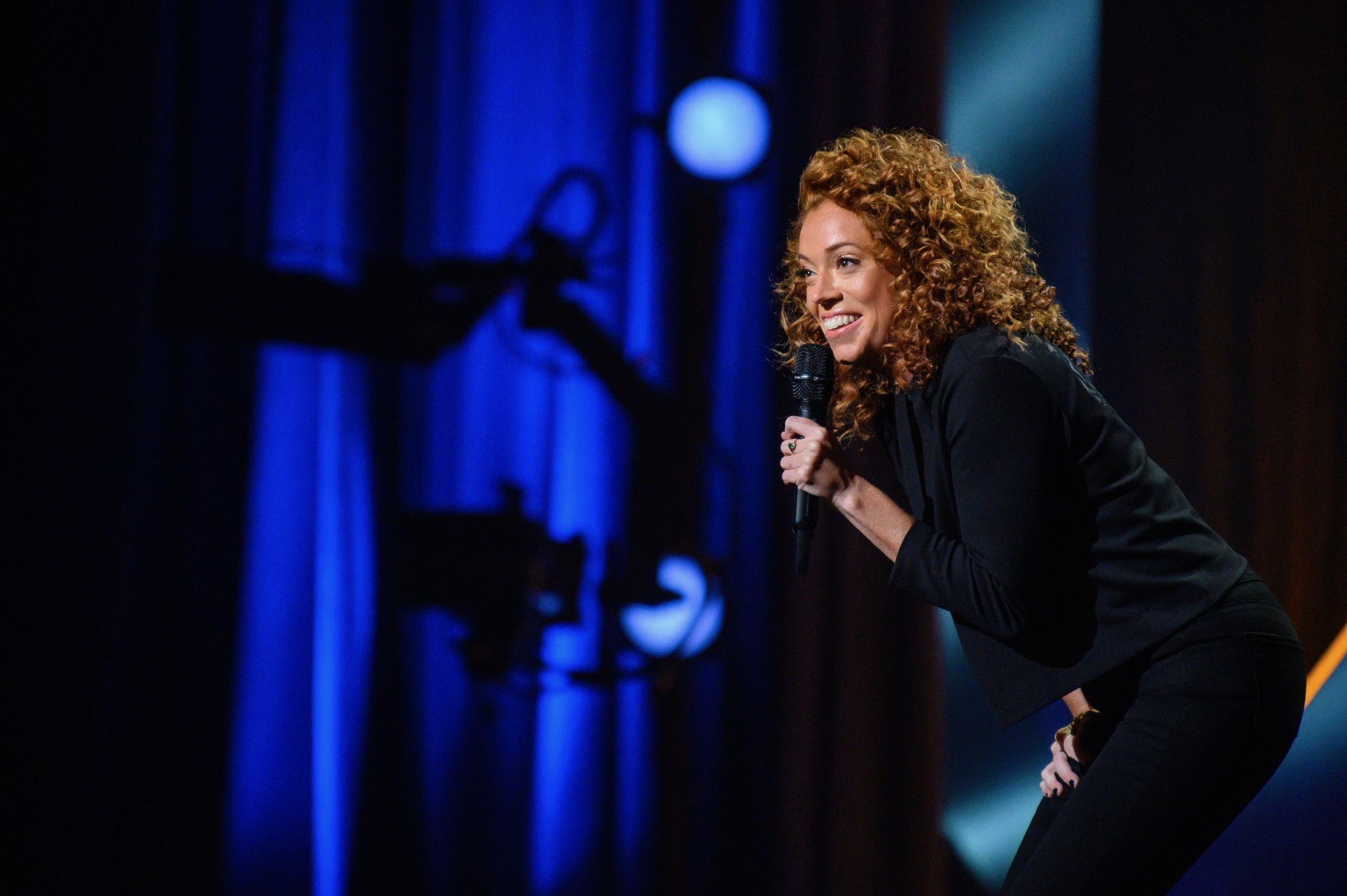
There are many hilarious female comedians like Michelle Wolf, Jenny Slate and Tig Notaro who have created their own shows, mastered improv, written exceptional stand-up and built huge platforms for themselves by joking across social, personal and political subjects. Yet what is commonly retained, consumed and talked about on the subject of women in comedy is sex, the body, the vagina: the sexualization of the self on behalf of the woman.
When female comedians emerged in Vaudeville and on early television, the tolerance for the breadth and depth of their routines was slim, limiting them to jokes about their husbands or boyfriends, children and home lives. Women only being tolerated within these sex stereotypes laid the foundation for the caricature of the sex-crazed female comedian today. The stand-up industry remains male-dominated, and female comedians continue to be placed into tight boxes. This manifests in lower visibility and –– for those who manage to gain a larger following –– earns them major criticism.
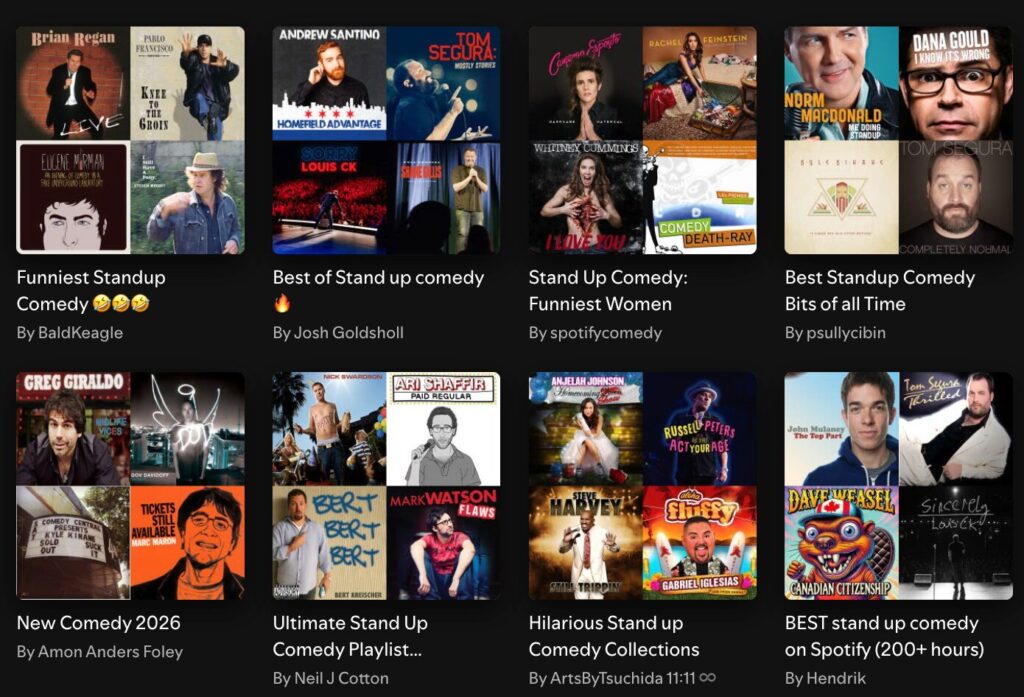
This low visibility became obvious to me the more I studied and consumed comedy. Instead of listening to podcasts or music to bridge mindless tasks, my go-to choice is playing stand-up sets on Spotify. The sight of me doing so is comedic enough: I’ve never gotten as many glances as when I’m giggling to myself in my dorm’s laundry room. I usually start by searching “best stand-up sets” and press shuffle on a playlist. Once I find a comedian I really connect with, I visit their page to dive deeper into their work. Yet as I’ve done this, I quickly noticed that these playlists were lacking something crucial: women.
I checked various playlists on Spotify: “Top Stand Up Comedy,” “Best Stand Up Comedy Bits of All Time,” “Dark Comedy,” “New Comedy 2026” –– among others. Not one of the playlists featured a female stand-up comedian, unless I specifically wrote “women” or “female” in the search bar.
Although there are incredibly successful and renowned female comics, there is still a blatant failure to accept women and men in comedy as occupying the same status. The synonymity that has been pre-established between female comedians and sex is an undeniable factor in their struggle for visibility.
Ali Wong. Chelsea Handler. Nikki Glazer. Joan Rivers. All of these women have been ruthlessly dragged online for their jokes about sex, their bodies and sharing intimate stories. Audiences seem averse to the idea of a woman taking on these subjects; this is rooted in the fact that when she does so, she reclaims autonomy over sexual narratives — one that men cannot control.
“When female comedians talk about sex, we’re turning ourselves into subjects, not objects, in the story. We’re at the center, and we direct the narrative, not someone else,” writes stand-up comedian Taru Anniina Liikanen in her essay “Why Do Women Have To Do So Many Sex Jokes?”
Women who make dick jokes and vagina jokes are labeled as obscene or bad comedians, while men perform complete sets based on sex and women’s bodies, routinely degrading and objectifying them while remaining guarded by the patriarchal foundation of the medium.
In an industry that is all about thwarting expectations and using shock value for emotional tension release, female stand-up comedians are up against a tide. And, let’s be honest — men are a sensitive audience! Women are taught to withstand sexist remarks and offensive jokes, allowing male comedians to feel unrestricted in how they talk about sex, dating and women with very little backlash, yet the reverse cannot be said.
Women are not out of the trap that was set for them in the early years of variety show television, when male writers’ rooms would turn female characters into parodied versions of the ditsy housewife, the salacious girlfriend or the unattractive woman who has wants and desires, or who has confidence –– how silly of her! These tropes built walls around female performers. Since then, female comedians have expanded their material and messaging beyond these misrepresentations, but society is slow to retire its outdated preconceptions.
Despite our progressions and the moderately improved state of the comedy industry, those walls have never crumbled; but women have begun digging tunnels to get to the other side — where they can freely select topics based on their own taste, opinions and values. While they cross this tunnel, women who make jokes within the confines of the role that was historically carved out for them are criticized for doing so.
Women should be allowed to talk about their bodies –– bodies that have been through a lot –– and comedy must be asserted as an industry for critique, for the emancipation of underrepresented voices and for the release of pressure for all kinds of performers.

Regions: Boston