
A complex liminal space in ‘All the Lovers in the Night’
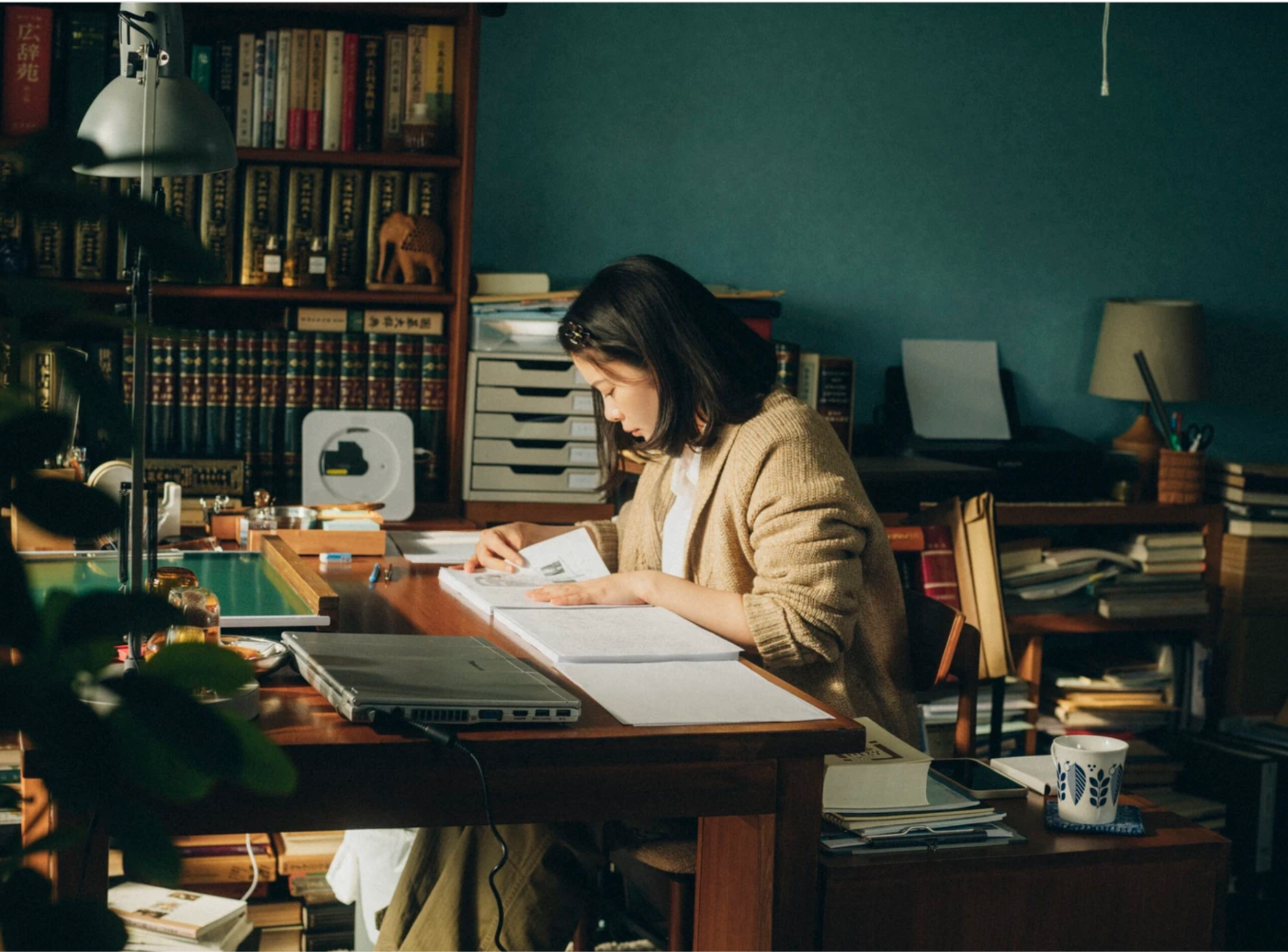
Director Yukiko Sode premiered her fourth feature, “All the Lovers in the Night,” at the Cannes International Film Festival last week. Her first to be selected for the festival, the film is an adaptation of Meiko Kawakami’s 2023 Japanese novel by the same name. The storyline unfolds through its female protagonist, Fuyuko, in a stunningly intimate performance by Yukino Kishii. Fuyuko inhabits an existential yet very real liminal state in her pursuit of something beyond her isolating job as a proofreader.
Japanese literature is known for its devotion to themes of solitude and isolation, and “All the Lovers in the Night” embodies this familiar tone. Fuyuko explores these concepts through her line of work, one she describes as predicated on the existence of mistakes that can never truly be eradicated: a book can never be completely free of errors.
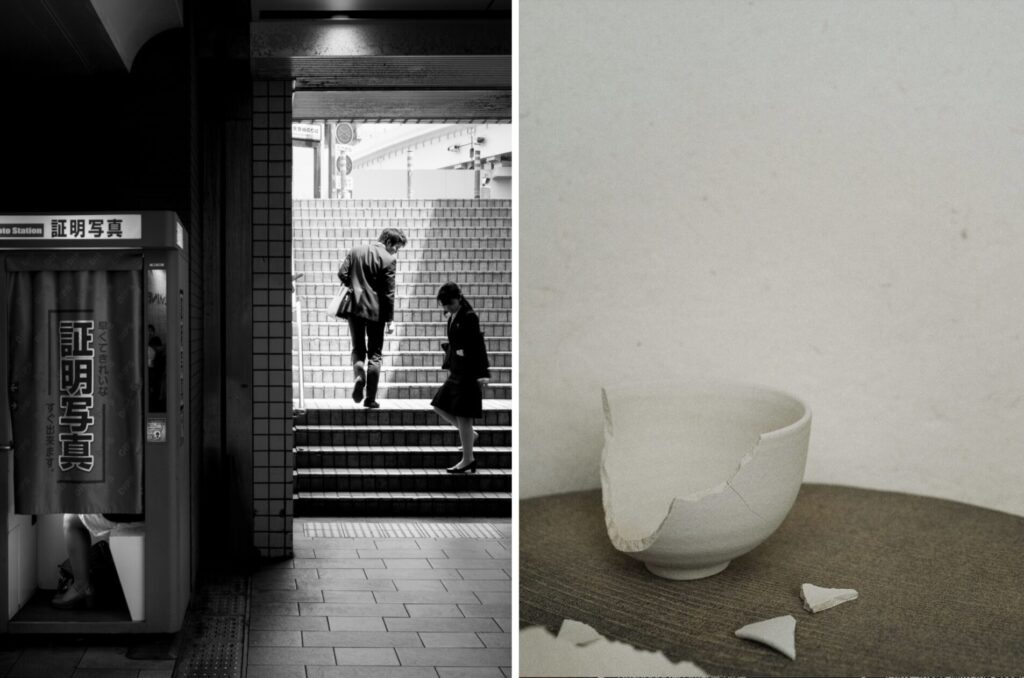
When it’s suggested that, as an editor, she must constantly learn from the material she reads, Fuyuko responds that the first rule of proofreading is to keep from getting immersed in the text. Rather than absorb the books’ meaning, Fuyuko consciously stays on the surface in a deliberate hunt for errors. The unexpected contradiction of working with words yet not being receptive to their purpose — to communicate something meaningful and touching — is what builds the plot’s fundamental tension. The ancient Japanese philosophy of wabi-sabi, that nothing is ever fixed but rather in constant flux, fuses with the essential tone of loneliness as Fuyuko continually reaches for newness.
The film intensifies the contrast between loneliness and connection, the known and unknown, through its cinematography. A cold, blue outside world is punctuated with small, warm indoor tones: the round lamp under which Fuyuko works or the diffused lighting in the cafe where she begins meeting a new friend.
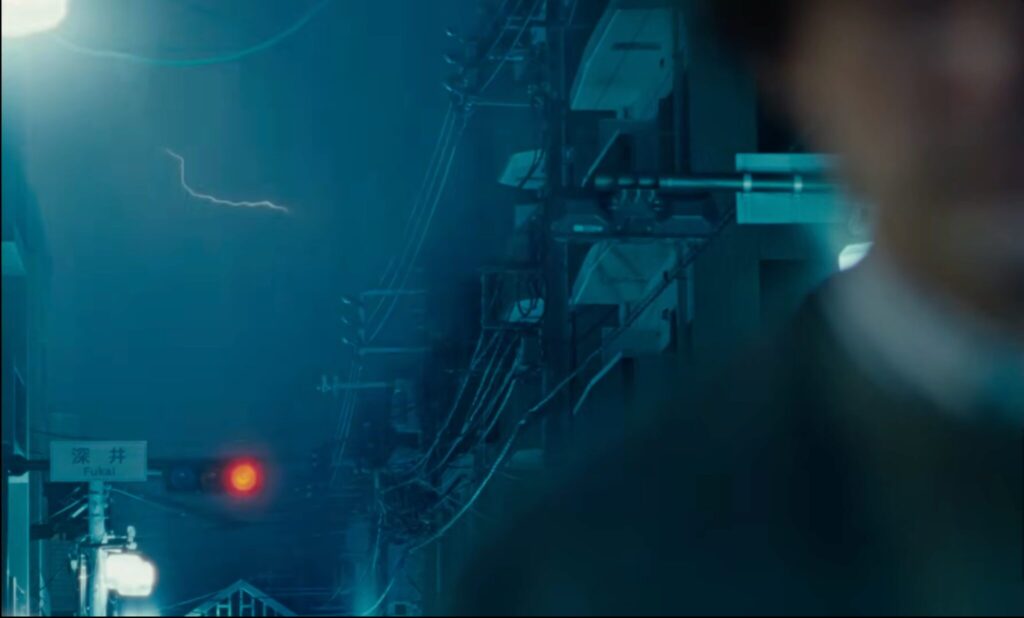
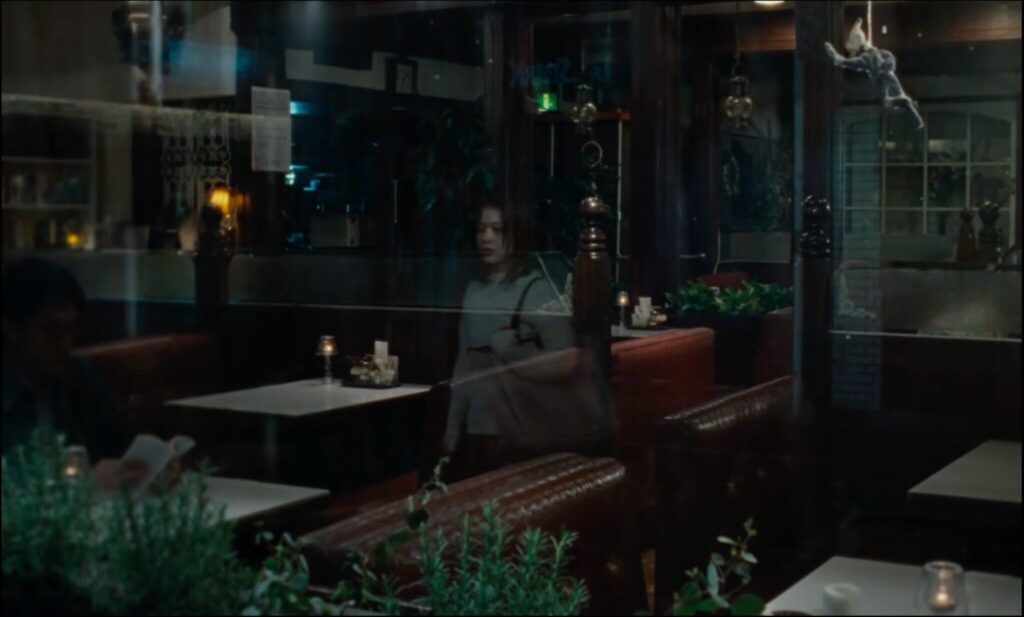
As Fuyuko searches for warm light in the pervasive dark blue world, she compromises her ability to find a stable source of connection. After drinking sake with her colleague, Hijiri (Misato Morita), at a restaurant, Fuyuko develops a drinking habit. She uses her newfound crutch on alcohol as a gateway toward extroversion and novelty, yet it simultaneously creates an additional barrier. A new dimension of liminal space develops as the question of artifice permeates her connections.
Alcohol in hand, Fuyuko summons the courage to leave her apartment and venture to a school. There, she reads a pamphlet on the various courses offered, but chooses none of them. Instead, she grows queasy from drinking and falls asleep in the cafeteria. When she wakes, she makes a new acquaintance, Mitsutsuka (Tadanobu Asano), a science teacher. In their many consequent meetings, the two discuss both the physics and metaphysics of light. Yet again, a new dimension builds upon the existing cinematic aesthetic of contrasting lights that emphasizes the tension between static loneliness and wabi-sabi that constitute Fuyuko’s liminal space.
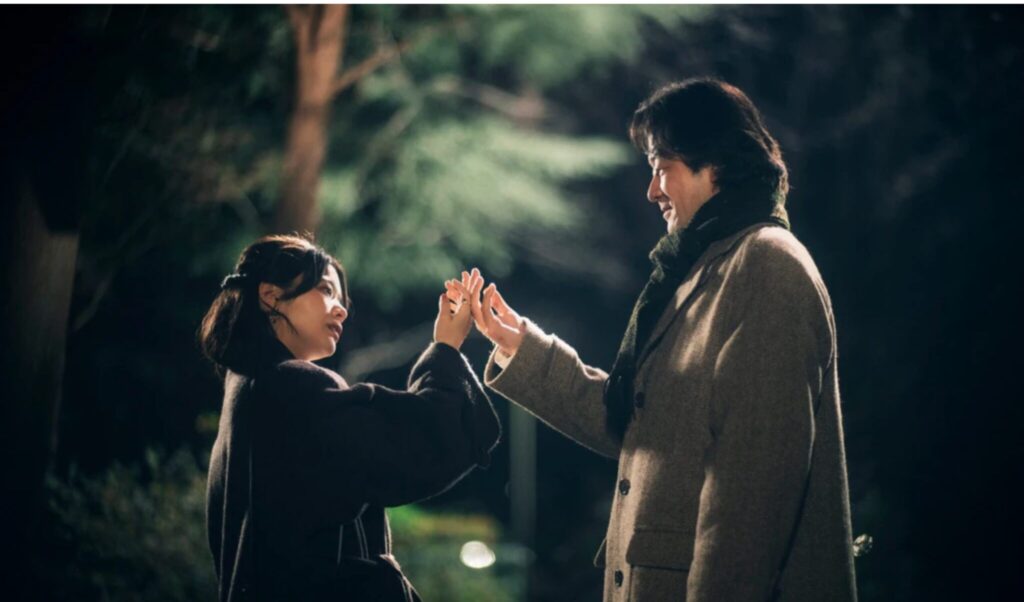
The relationships Fuyuko develops reflect the vastness of her liminal ennui through their indirect nature. Fuyuko continues drinking and seeking confidence through alcohol, Mitsutsuka gifts her books about physics and Hijiri drops off a bag of hand-me-down clothes — many of which Fuyuko adopts. Here arises the question of identity source and the many ways we can change (wabi-sabi) while retaining the same essential core (a warm yet lonely interior).
In all her external searching, perhaps Fuyuko has been growing the space of light within herself all along. And perhaps not. The film departs with the unresolved feeling of not knowing. Has anything changed; has anything really happened? Can the light within Fuyuko grow bigger, even in a finite space?

At the end of the film’s screening in Cannes’ Théâtre Debussy, the beaming cast received a nearly seven-minute standing ovation.
Regions: Cannes