
A Call for Film Festivals to Choose Bravery: The Story of Jafar Panahi’s ‘It Was Just An Accident’
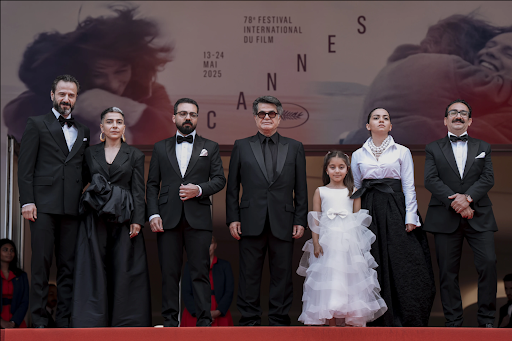
Made in secret upon his release from imprisonment, Iranian director Jafar Panahi’s Palme d’Or–winning film “It Was Just An Accident” was released in theaters across the United States this October. Panahi has been jailed twice in Iran for films critical of the country’s political regime — films that sought to provoke thought and debate. His new film follows a group of former Iranian political prisoners who wrestle with the decision of whether or not to take revenge on the man who tortured them in prison. Film festivals across the world such as Cannes, Toronto International Film Festival, New York Film Festival, London Film Festival and even our own Boston International Film Festival have platformed Panahi’s message for a wide variety of audiences. Selections like these are representative of a greater responsibility for film festivals across the world: to counter censorship and protect freedom of artistic expression.
Currently, the United States faces its own wave of censorship catalyzed by book bans, the destruction of DEI programs and overwhelming budget cuts to universities, news organizations and national education/art programs like PBS. All the while, the implementation of artificial intelligence around the world brings a threat of unreliable media and the decentralization of individual thought. With all of these elements at play, the need to combat suppression in the creative world is more dire than ever. With the potential for films to champion a diverse array of voices and stories, one of the most powerful spaces to protect this freedom is in the film festival realm.
Every day that we live becomes a part of human history’s larger collective thread. This comes with a critical responsibility to preserve and include accurate testimonies in our storytelling, so that future generations are able to properly understand the context of our times. As one of the most powerful mediums to spread important stories, the world of film is one that must be assessed constantly and protected fundamentally. Cinema has the unique ability to connect people throughout time and place, whether or not they have shared experiences, through its capacity to make its audiences think and feel so deeply. Films should not only demand bravery from their creators, but also an open mind and heart from their audiences.
The Cannes Film Festival was the first to recognize “It Was Just an Accident” for its artistry and power, a testament to the festival’s lasting dedication to preserving artists’ perspectives — whether individual or collective, social or political. The French festival was officially established in 1946 to counter the Venice Film Festival, created under Mussolini’s rule, which promoted pro-state propaganda films.
As head of the Cannes Classics department, Gérald Duchaussoy is in charge of screening restorations of old films, tribute films and documentaries about the film industry. Founded in 2004, the department is a crucial part of the festival and allows films from the past to be examined through a modern lens.
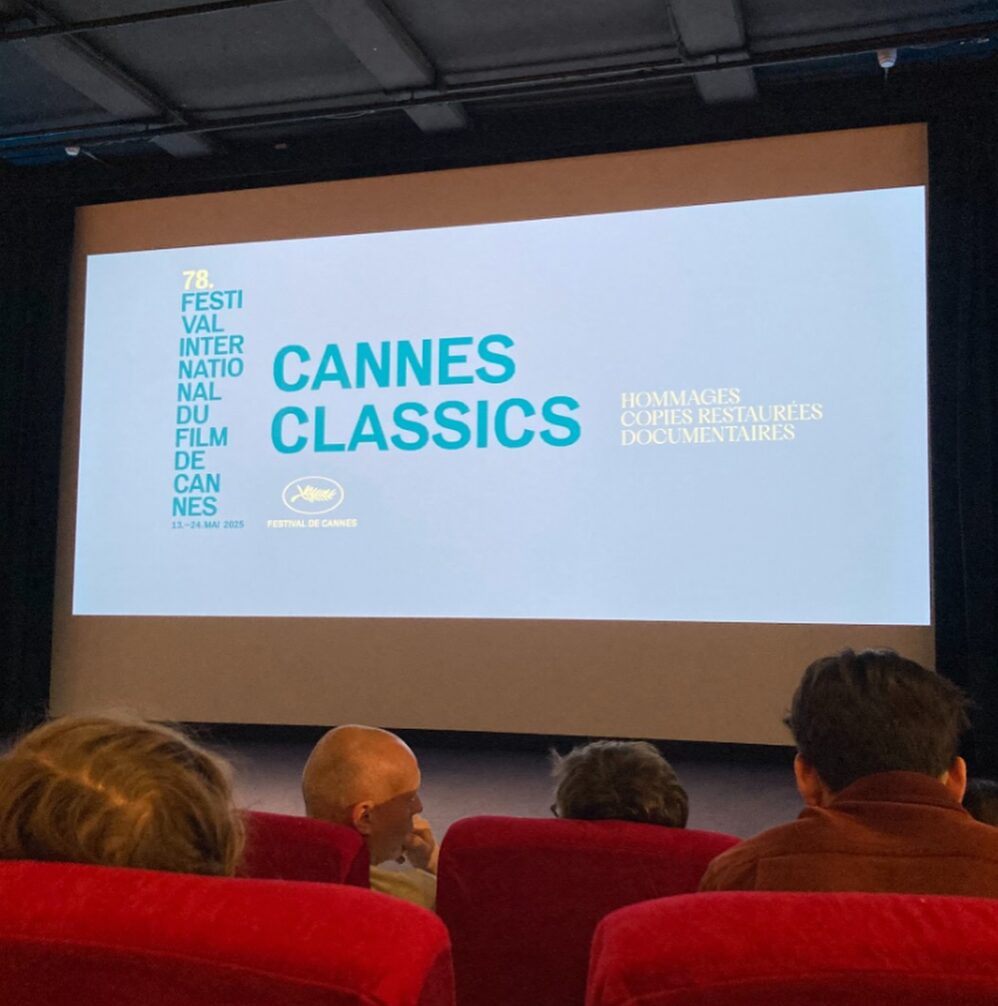
“At Cannes Classics, we feel that there is a strong reluctance [among students] to see films from the past with [certain] sociological, cultural or even sexual discussions, which might be triggered by the things that we program,” Duchaussoy said in an interview with The Independent. “[But especially as] a teenager or a young adult, I think it’s good to be confronted [with] many sorts of films and political viewpoints that you don’t necessarily agree with.”
Cannes Classics is deliberate with their selection process, and always considers whether a film may be too provocative to show. However, their decisions are sovereign. Duchaussoy stressed the value of looking to the past to make sense of the present, noting that the amount of student pushback to provocative films has inexplicably dwindled over the years.
“It’s very interesting to be able to program these films — to have this distance and see that it can lead you to a sort of reflection on what you live nowadays,” he said. “It’s a good way to start a discussion.”
With ever-evolving technology and mass media, as well as a surge of far-right agendas all over the world, the mission of film festivals should only be heightened: to get high-quality, impactful films out to the public at large, while ensuring filmmakers and artists are protected in their storytelling.
These efforts are central to international and local film festivals alike. In Boston, the Boston Asian American Film Festival (BAAFF) works to bring awareness to the Asian-American experience and help act as a bridge between art, community, and resources.
“Art is a prompt and it’s really the conversation that is the point,” Susan Chinsen, the founding director of the BAAFF, said in an interview with The Independent. “We’re trying to utilize art as a way of bringing people together.”
The festival, created in 2008, started as a rejection of passive censorship occurring by lack of representation of the Asian American experience in the mainstream — especially in its distinction from other Asian experiences appearing in South and East Asian international cinematic works.
“[We are] an introductory space for audiences to be curious and then want to know more, then we are helping broker relationships so that they can find more information,” Chinsen said.
The festival is also committed to platforming local groups, companies and organizations that work in areas that screened films portray, by inviting them to screenings and offering a platform for conversation and resource dissemination. Chinsen said that this has been an effective way to support local foundations while giving audience members the chance to make connections. Through this, the BAAFF is able to foster a sense of agency in a community that has been historically marginalized in the United States.
Understanding the incredible impact film festivals can have on local and international communities is crucial to holding them to this standard: They must remain spaces for open exploration of identity, experience and overall freedom of expression, and stand firmly behind their values to carry out their responsibilities toward the artists and audiences they serve.