
Paweł Pawlikowski’s striking Cannes standout, ‘Fatherland’
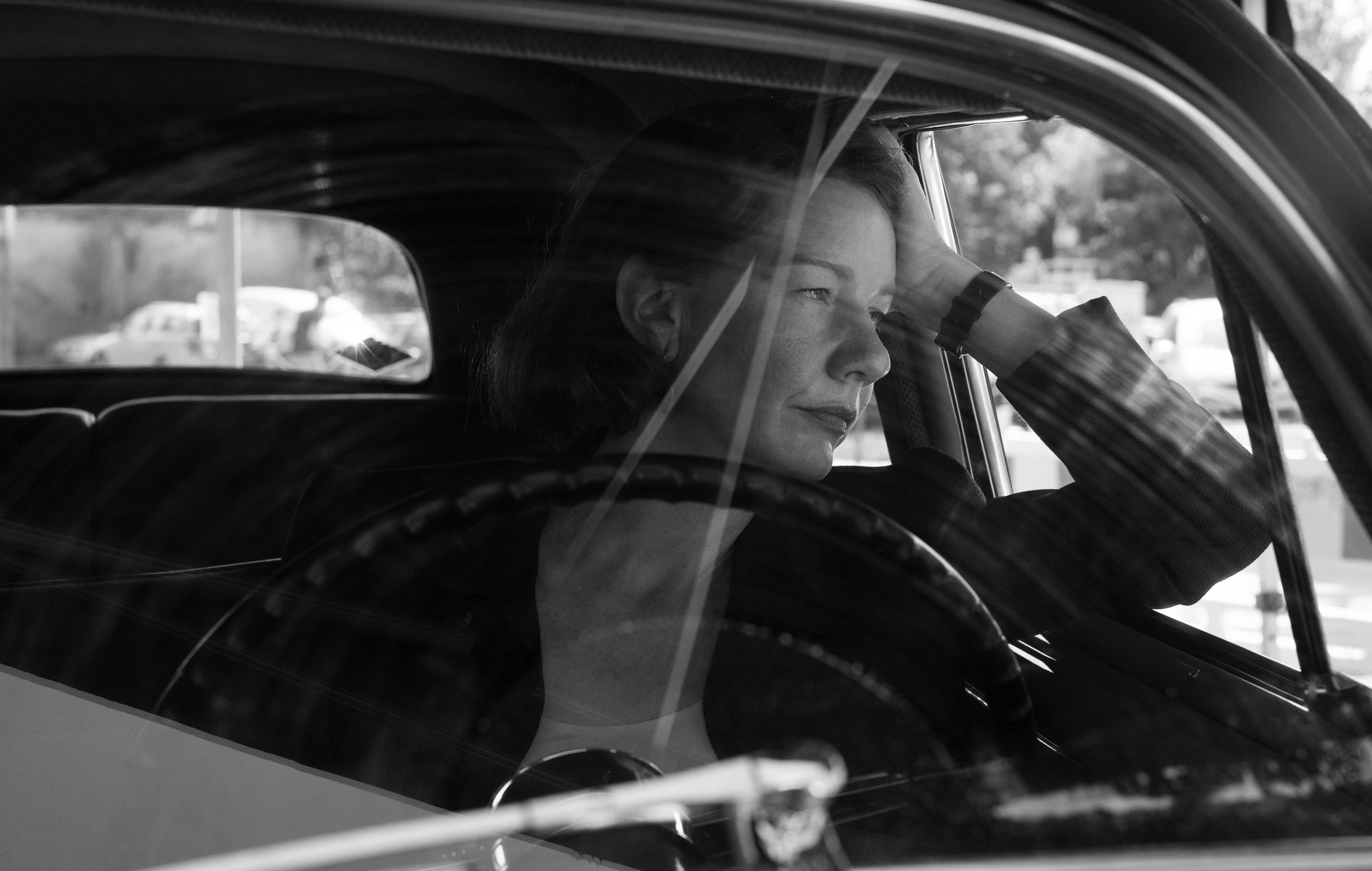
Postwar Europe is nothing new for Polish “Fatherland” writer and director Paweł Pawlikowski. Known best for “Cold War” and “Ida,” Pawlikowski shocked no one with the announcement that “Fatherland” — the story of “Death in Venice” author Thomas Mann (Hanns Zischler) returning to Germany with his daughter, Erika (Sandra Hüller), following World War II — would premiere at the 2026 Cannes International Film Festival. After 13 years spent exiled from their titular fatherland for Thomas’ vocal criticism of Adolf Hitler, the pair embarks on a tour across the newly divided Germany during which Thomas accepts the Goethe Award, widely regarded as Germany’s highest cultural honor.
As they travel across their former homeland, they are met with seemingly approving, yet duplicitous audiences in both East and West Germany. “Imagine what they were up to four years ago,” Erika remarks. Navigating through this sea of troubling smiles, the pair impatiently waits for Klaus (August Diehl), Erika’s evasive and unpredictable younger brother, to join them.
The German crowds of bad actors express a seemingly superficial admiration for the namesake of Thomas’ award, Johann Wolfgang von Goethe, while aggressively promoting their respective economic ideologies. Thomas shows little interest in both capitalism — which is forced upon him in West Germany’s Frankfurt — and communism — which is similarly promoted in East Germany’s Weimar.
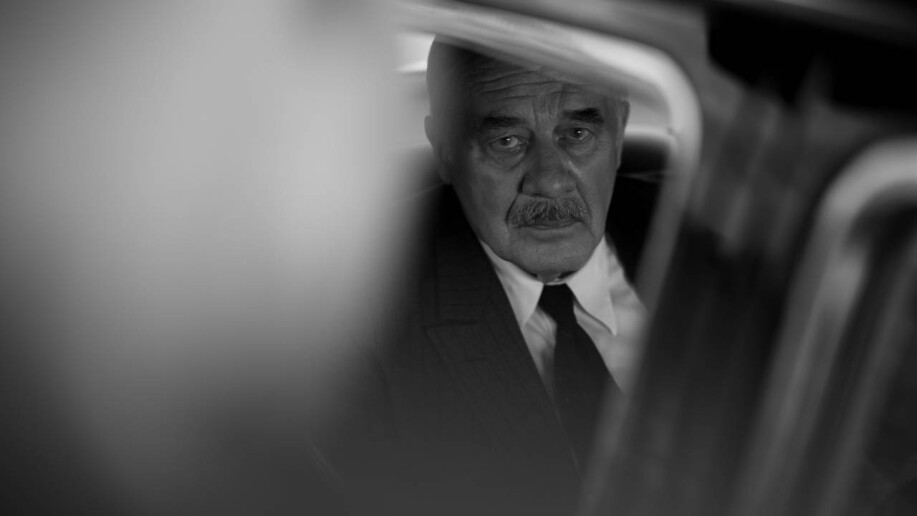
Hellbent on hastily rebuilding society in a hyperspecific fashion, characters refuse to acknowledge Thomas’ exiling, nor do they even say the word “Nazi.” The past is disturbingly ignored; the future, obsessed over.
Following her respectively praised 2023 performances in “The Zone of Interest” (for which she was BAFTA nominated) and “Anatomy of a Fall” (for which she was BAFTA and Oscar nominated), Hüller puts on a masterclass as Erika, expertly balancing the character’s conflicting need for emotional agency with her deep love for (and begrudging similarities to) her reserved father. With a major role in recent blockbuster “Project Hail Mary” and a spot in Alejandro Iñárritu’s upcoming film “Digger,” Hüller has the opportunity to cement herself as one of the most prolific actors working today.
Widely praised and highly accomplished cinematographer Łukasz Żal wonderfully understands the tense atmosphere Pawlikowski looks to immerse “Fatherland” audiences in. In addition to working alongside Pawlikowski in previous years, Żal has shot the Cannes Grand Prix-winning “The Zone of Interest” and Oscar-winning “Hamnet.” Although seemingly afraid to shoot a scene without cigarette smoke present, Żal is able to keep the visual style of “Fatherland” dynamic and captivating with his unique framing and blocking techniques first shown off in the aforementioned “Ida.”
With “Fatherland,” Pawlikowski’s message is as efficient as it is eloquently expressed. A society cannot move forward if they refuse to acknowledge the past. This element of the film is devastatingly yet beautifully paired with Thomas’ insistence on continuing the tour and refusal to acknowledge a tragedy that has occurred within his family.
Ranked both by IndieWire and Film Lounge as a top contender to take home Friday’s Palme d’Or prize, “Fatherland” has undeniably made a splash at the 79th annual Cannes International Film Festival. Though films such as “All of a Sudden” and “Fjord” have the possibility of winning the top prize, it is hard not to see “Fatherland” as the most culturally significant film of the year.
“Fatherland” will be internationally distributed by Mubi. It will enter Polish theaters on June 19, and is expected to reach other major regions shortly thereafter.
Regions: Cannes