‘Deseando Amar’ — Interpreting Wong Kar-Wai’s masterpiece in a new light
Prior to visiting Cines Babel in Valencia, Spain, I had already seen “In the Mood for Love” five times. I…

Nate Ruttenberg is an undergraduate Emerson College journalism student from Hunterdon County, NJ. He is the managing editor of The Independent Magazine, along with being a contributing writer. He focuses on film essays, but additionally covers obituaries and local movie theater news.
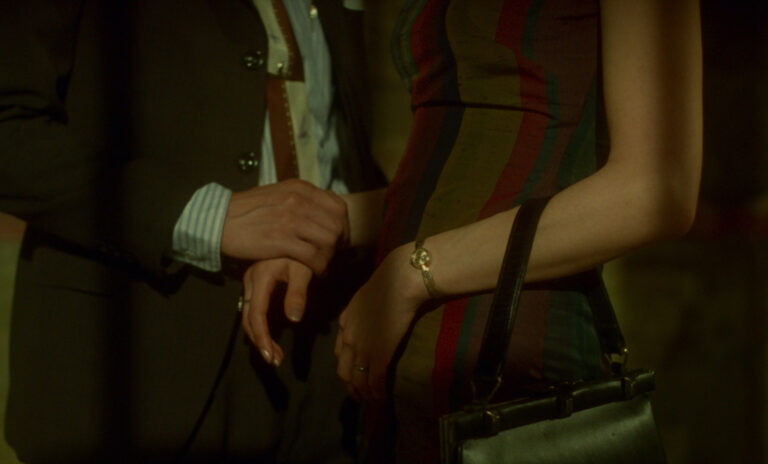
Prior to visiting Cines Babel in Valencia, Spain, I had already seen “In the Mood for Love” five times. I…
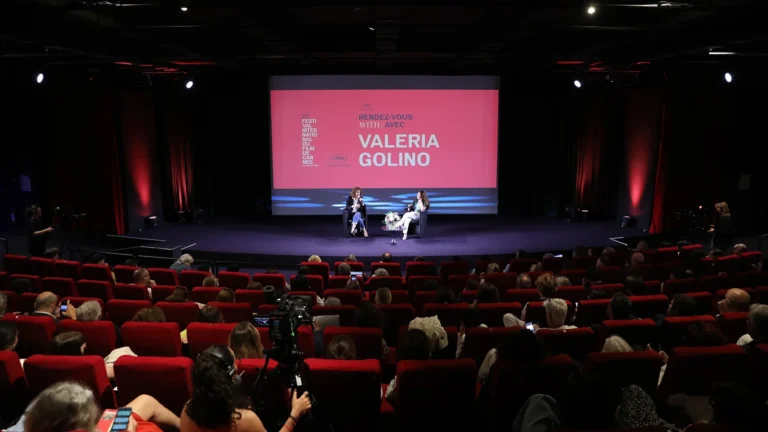
In Cannes’ own Salle Buñuel Theater, I waited for Akira Kurosawa’s 1943 directorial debut “Sanshiro Sugata” (newly restored in 4K…
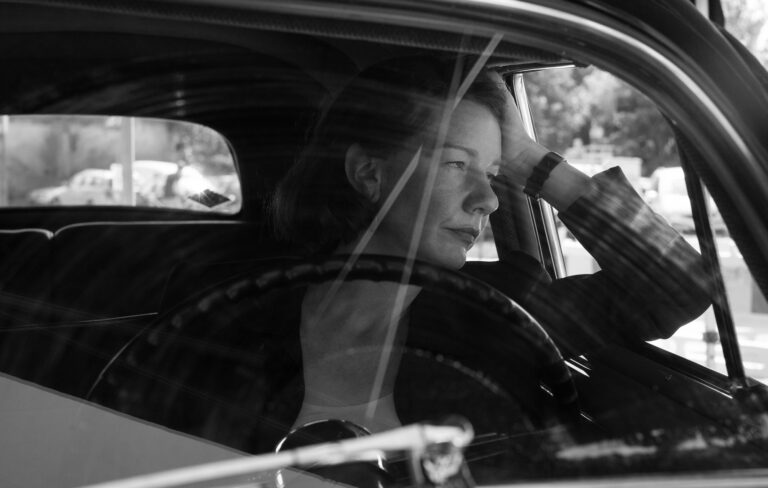
Postwar Europe is nothing new for Polish “Fatherland” writer and director Paweł Pawlikowski. Known best for “Cold War” and “Ida,”…
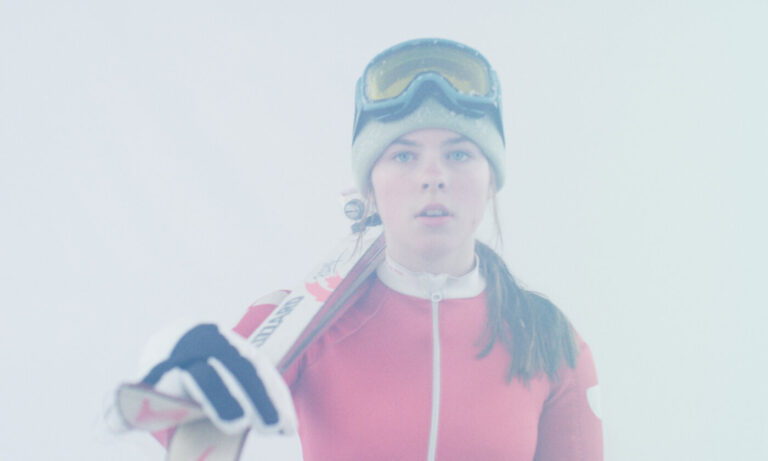
The “missing persons” subgenre of film is a strange one — repetitive at times, nearly impossible to perfect, yet often…

Flaunting a skin-tight beret and suspicious beard, John Travolta walked the red carpet at the Cannes Film Festival on Friday…

Peggy (Lesley Sharp) studies the face of her son’s partner, Ray (Alexander Skarsgård) closely. The two men have been seeing…

East of the Boston Common, atop a Downtown Crossing jewelry store stands James Bennett. To find him, you must walk…
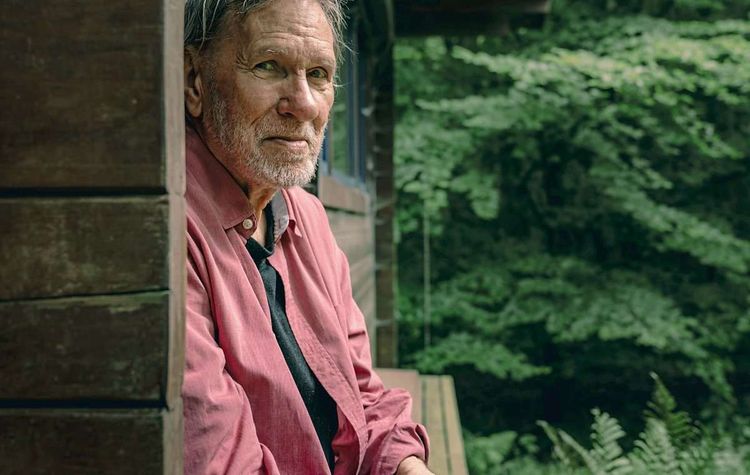
Singer, songwriter, guitarist and cult folk hero Tucker Zimmerman, who released 12 albums over the last six decades, passed away…
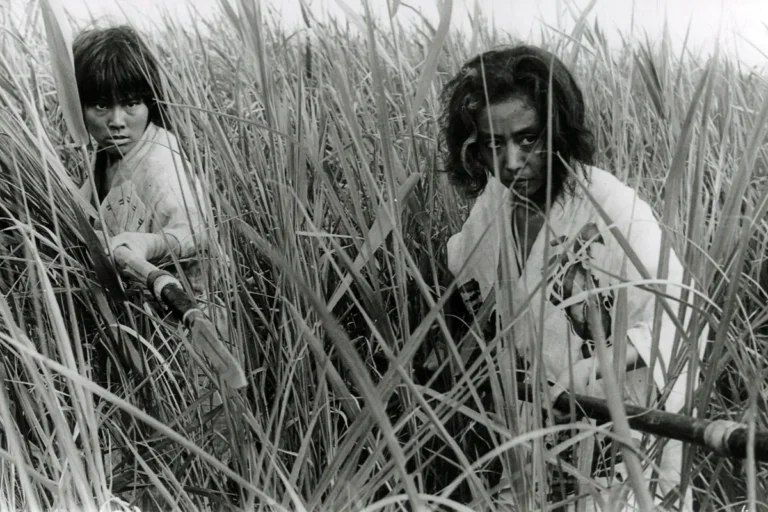
“THE MOST DARING FILM IMPORT EVER . . . FROM JAPAN!” is how Toho Studios first advertised “Onibaba” to foreign audiences. With a sex-centered plot that features disturbing, psychosexual encounters between characters, writer/director Kaneto Shindo’s intentionally controversial 1964 horror film pushed the limits of both Japanese and international censorship laws. Mildly censored in Japan and banned outright in countries such as the U.K., “Onibaba” serves as a deeply unusual combination of folkloric story and bold, modern sexuality.