
Artist and Professor Joana Burd harnesses the power of vibrations
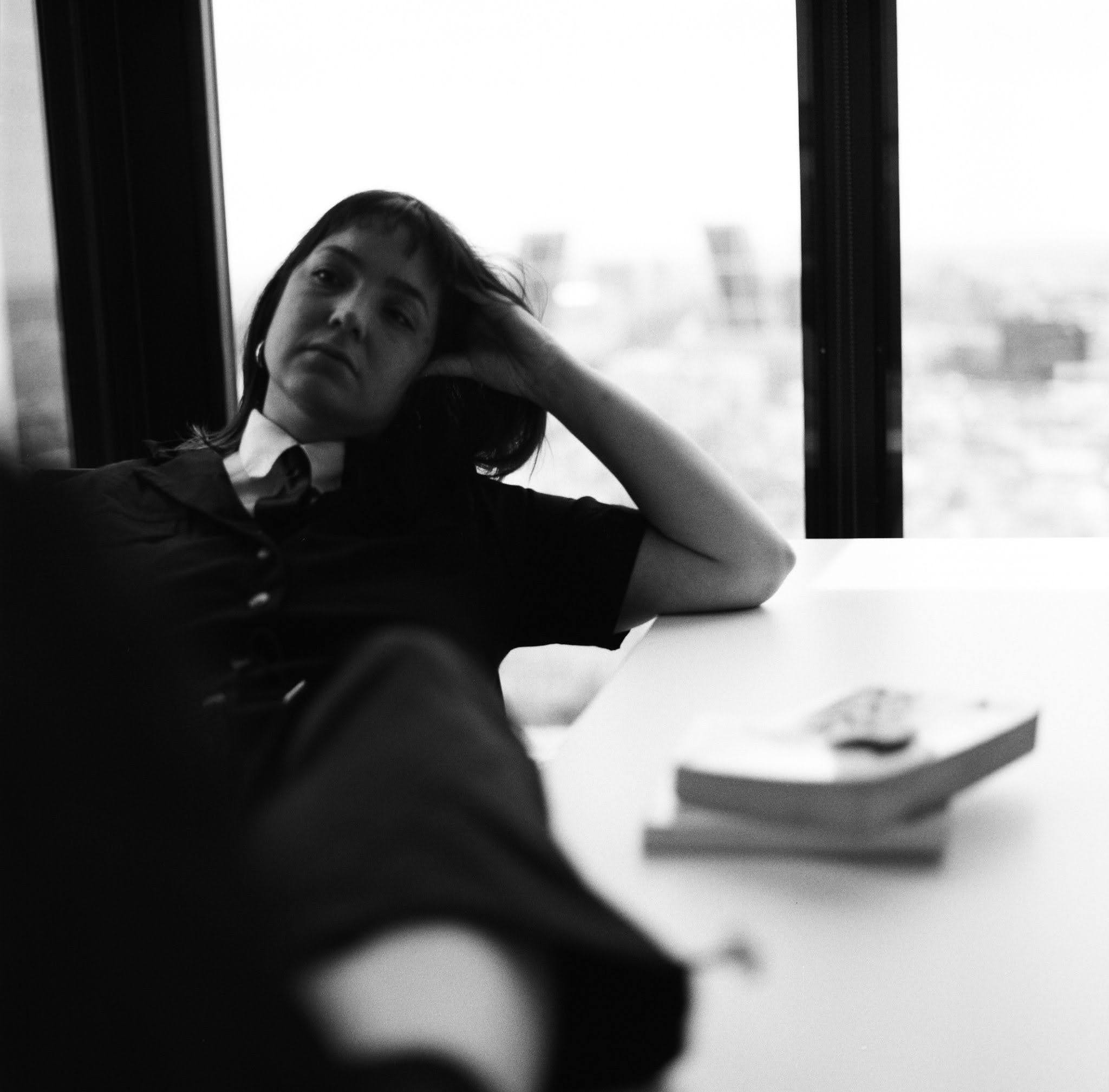
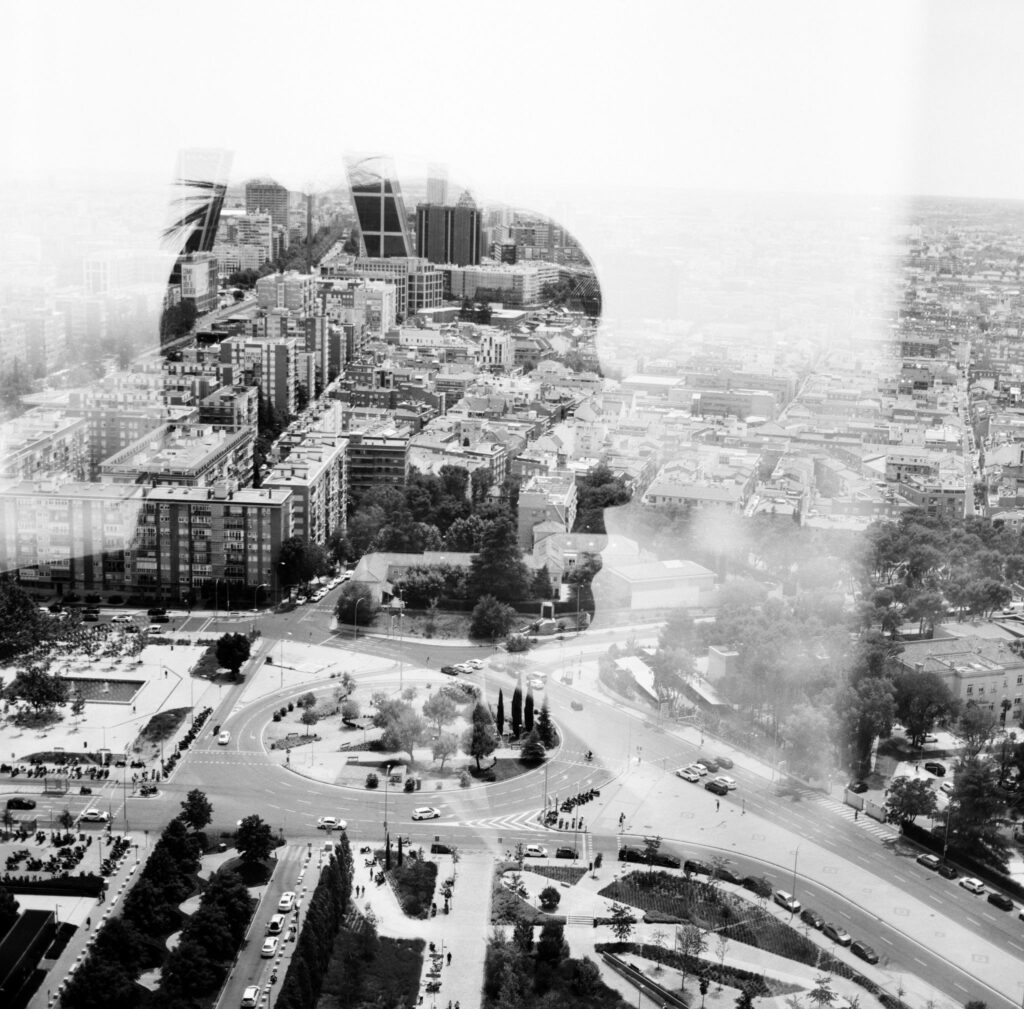
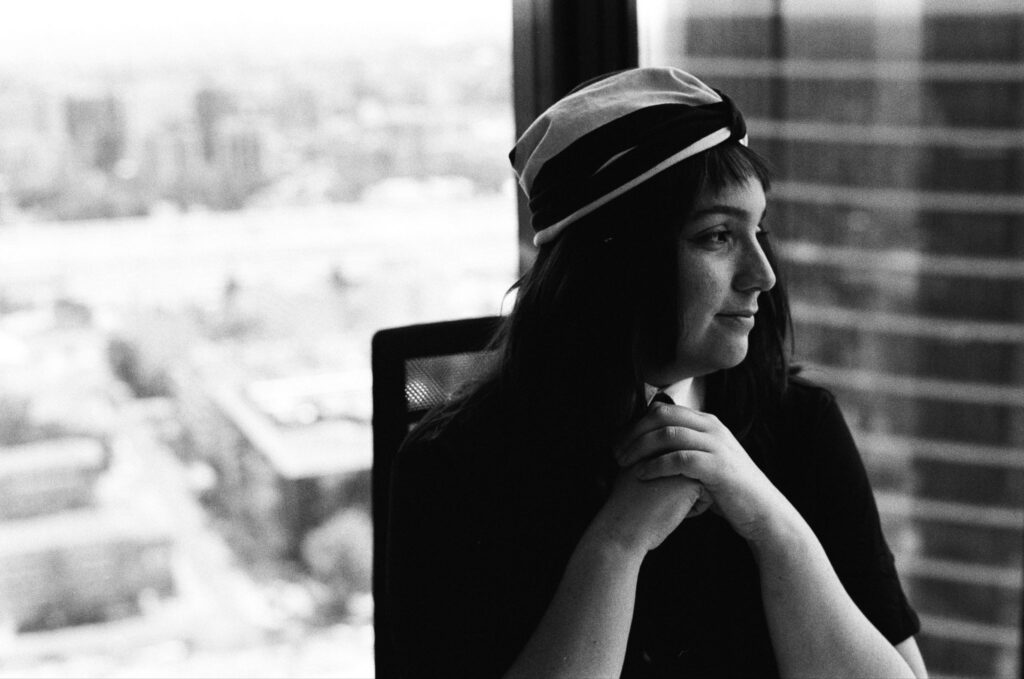
I met Joana Burd on a stifling May afternoon in Madrid’s Cuatro Torres (four towers) business district. Joana, a Brazilian artist and researcher in new media art and haptic aesthetics, is a professor at IE University in the School of Architecture and Design. Joana experiments with the powerful force of vibrations and the unpredictable ways they elicit feelings through our skin — the body’s largest organ.
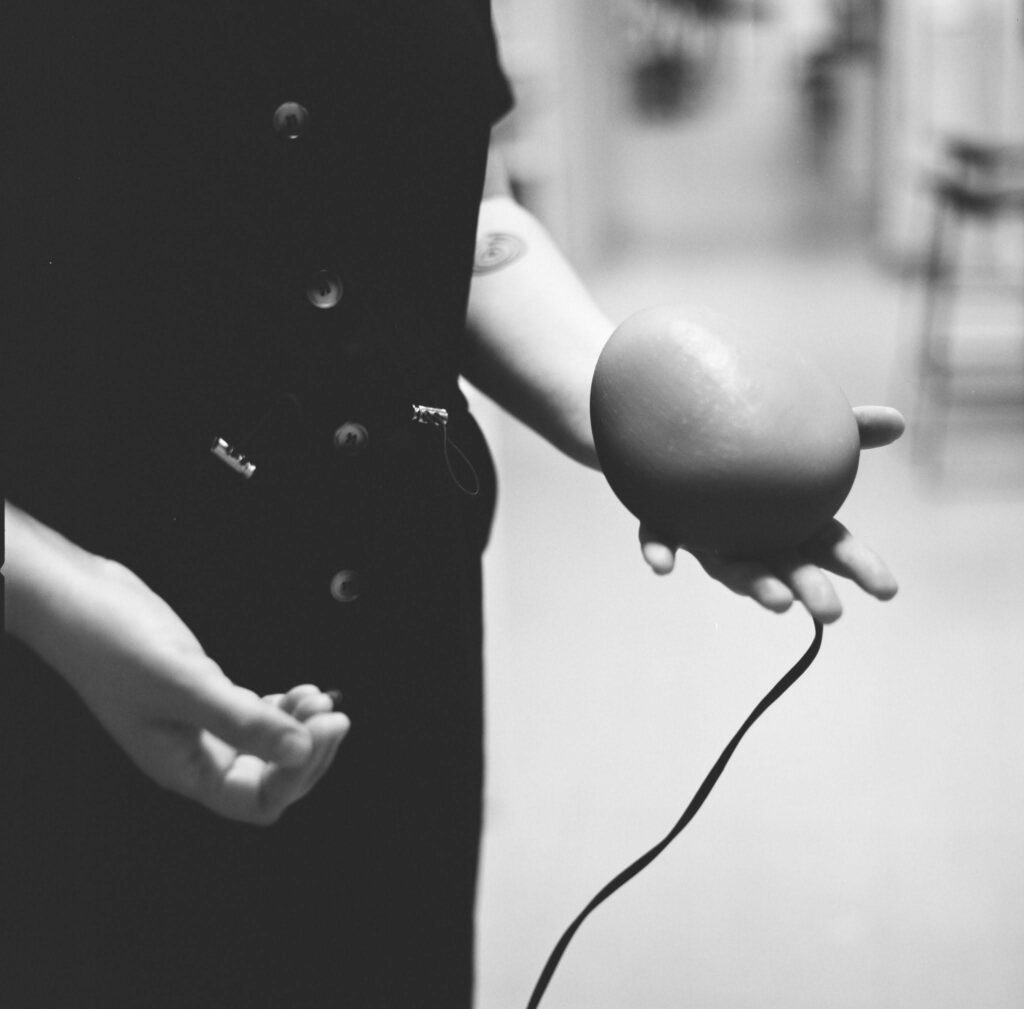
Surrounded by skyscrapers, Joana guided me into IE University’s 36-story tower. In her office, we discussed today’s rather minimal evolution in haptic technology and wondered about the personal autonomy it could unlock. What, for example, would it feel like to customize and program the pattern of your phone’s vibration? After our interview, she gave me a tour of the school’s art studio and demonstrated how to interact with a few of her latest 3D-printed vibrational motors.
The following interview has been edited for readability.
Terra King: When did you first know that you were going to be an artist?
Joana Burd: I feel that I became an artist during art school. When I was little, I thought that art was something we could learn and practice, like drawing or photography. But during art school, I realized that art is actually a way of thinking and seeing. As I studied more, I understood the field and became an academic artist. I do believe art is a field of work, not just something you do to entertain yourself. Not all art should be good or bring you happiness.
TK: Can you elaborate on that?
JB: I feel that I communicate through the way I practice art. The way I see it, technology distances our bodies — today we are more “connected” but farther away from each other. We thought that this century’s technology would bring us closer together, but we’re mentally close. Physically, we’re more isolated than ever. So I became curious about using technology to create new forms of interacting with the world. That’s why I became more interested in doing sensorial art and vibrational art.
TK: Tell me about one of your projects that fulfilled this way of thinking about art.
JB: My PhD was five years of reading, studying and understanding the art I was already producing. Through haptics, I discovered that the skin is our biggest organ. I got really into creating pieces with motors that vibrate, and started doing big installations where people could collectively feel. Sound is one of the best mediums for that, so I started using low frequency speakers and subwoofers. I created a piece called “Earth Pulse” with two other international artists. People walk over a vibrating sound platform covered with real grass and feel a simulation of the Earth moving. Earthquakes are one obvious example of how we can feel the Earth move. Watching people react to it was amazing — you can see old people and kids alike interacting. Everyone’s curious and sensitive to the ways we can feel our planet communicating with us.
TK: Can you say a little bit about haptics — what are they?
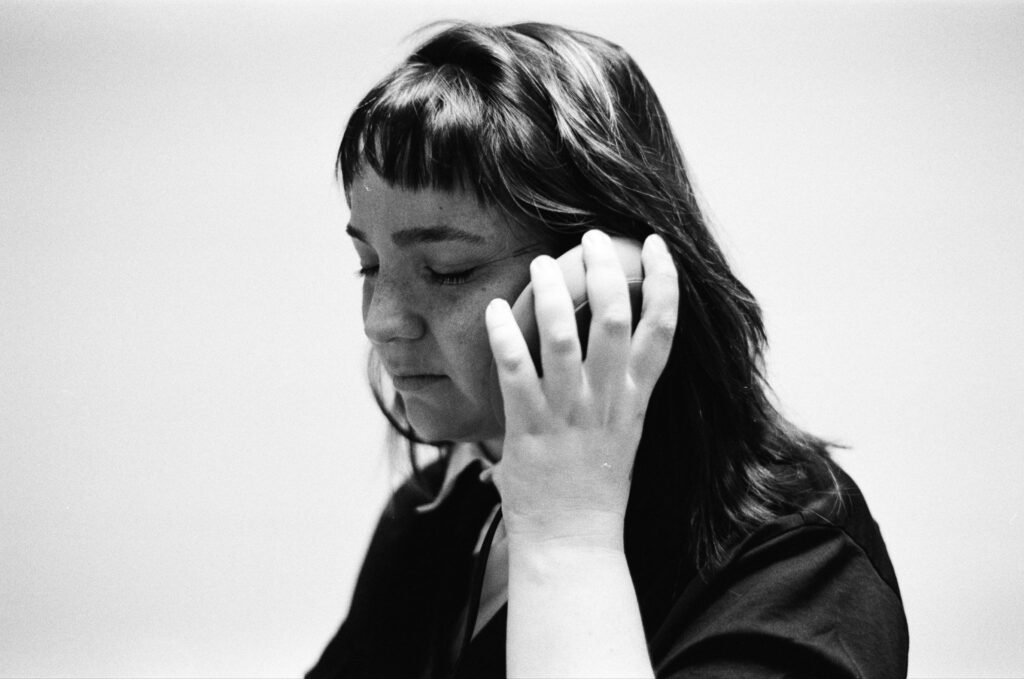
JB: Haptics is a way we can use our senses to understand the world — mainly through touch, our skin and other sensorial parts of our body not directly related to vision. A lot of people are talking about haptics right now. For example, we feel the haptic feedback from our phones when we press and feel them vibrate. But what I find fascinating is how it seems we are evolving technology in every way but in haptics. I’m one of those people cheering for the new haptic technology that’s not here yet.
TK: Can you tell me about a moment that inspired you or made you feel sure that being an artist, pursuing a PhD or being a professor was your path?
JB: I traveled a lot as a college student. When I was still living in the south of Brazil, I got a scholarship to go to Rio de Janeiro as part of my sculpting program. In Rio, I discovered a ton of art collectives, art residencies and independent art spaces, so when I went back home, I got together with some friends to create our own. Doing my art in a community place with shared rooms and collective areas made me be like, “Okay, this is what I’m passionate about.”
When you become sensitive to the way you live your life as an artist, you realize that everywhere and everything is art. I remember this moment with a really famous artist, Oswaldo Maciá. He had just been developing a piece with microphones under stones where you walk on them and hear them moving under your feet. We were upstairs chatting at our art collective when I turned on the sink to wash some dishes. And so we started playing with the water pressure for about 15 minutes and talking about all the changes it caused. It’s in those moments that I’m reminded how being an artist means just paying attention to the world and finding new ways of observing and interacting with it.
TK: I’m curious about your experience being a professor and what it means to you.
JB: I used to wish that my art could change the world. I still think that the art I make is cool and fine, but at some point I realized that while I’m an okay artist, I’m a wonderful professor. It brings me so much satisfaction to teach and talk to students and help them seek their passion. When I discovered that art can change the way people think, I realized how powerful education is. Leading a discussion and critique with 40 design students is much more direct than inviting people to feel one of my installations.
TK: Is there something from your past that informs your work now, your way of thinking or your teaching style?
JB: I had some impactful moments — some very hard moments — in my childhood and early teenage years. When all of that was happening, I decided to start painting. It’s funny because I hate painting nowadays — it’s so not my thing. I’m such a spatial kind of person in general, but painting was the way I cared for my mental health and kept myself from getting lost in drugs or, I don’t know, any of the other things we do when we are teenagers. So art kind of saved me at that point.
Later on, I figured out that painting was just about my own mental state and that I didn’t want to move forward with it. So I burned them all in my family’s old fireplace. I don’t even have pictures of those paintings because I decided they had no meaning. They served their purpose.
TK: Are there specific themes or concepts you bring into your work?
JB: Patterns of vibration are the center of my work. It can be a sound vibration or a light vibration, the voice vibrating or capturing the vibrations of a road. I just love the phenomenon and all the ways it can engage with our body. I also love that vibrations don’t ask for permission to touch us. When we’re feeling the vibration of the road or the metro, it just invades our body. I think there is something powerful in not seeing what is in your body touching you.
During my PhD, I learned about the relation between memory and smell. We have a special memory storage that allows memories to be connected through smells, like if you went to the beach and the smell reminded you of an early vacation you took with your grandma. But touch is a sense we can never turn off. Because we can’t cover it, it’s always on and often skips being stored in our memories. Instead, it transfers directly into emotion.
In the piece “Earth Pulse” I mentioned before, some people felt excited, while for others it activated an anxiety crisis. At one point, I was talking with a Taiwanese artist, and she was annoyed that I was using earthquake vibrations to give a sense of pleasure because she’d experienced a lot of earthquakes, which weren’t happy experiences.
But I feel like that’s why vibration is so powerful. No matter how much I tune the experience I’m creating and offering, I can’t control how different people and bodies react to it.
TK: You said that haptics are being left out as modern technology evolves. What’s one way you can see it being integrated or changing how we approach technological innovation?
JB: Right now, the most evolved haptics are for video games. I haven’t tried the most advanced ones, but I know that really mild electric shocks can allow us to feel different textures. I also think that haptics could be used to transform fashion or the act of selling and buying to be more interactive and less commercialized. But I don’t have a concrete answer for that — we have to study and develop these things more to understand what’s possible.
TK: Finally, tell me about your outfit.
JB: When I was teaching studios and ateliers, it seemed like I was always super dirty from the clay, sculpture, plaster materials and powder. So I started to wear jumpsuits. When I moved to Europe, I added a shirt underneath because it’s so cold. I just love to have a uniform — it’s kind of a statement in itself. My jumpsuit is always black and white. Those are the colors I wear when I work and when I teach. I don’t have to think about getting dressed in the mornings, and people are beginning to recognize me wherever I go.
Regions: Madrid