Not every 23-year-old is writing, directing, producing and acting in their production company’s latest film. But with his first feature film “Method,” Ashton Arbab is….
I met Joana Burd on a stifling May afternoon in Madrid’s Cuatro Torres (four towers) business district. Joana, a Brazilian artist and researcher in new…
After nearly 20 hours of travel and a nine-hour time difference — including a red-eye flight where none of my neighbors slept, and consequently neither…
In his sophomore feature ‘Drunken Noodles,’ filmmaker Lucio Castro captures a plethora of these quiet moments, contrasting them with euphoric tableaus of various gay dalliances. The film spiritually evokes a space between two worlds: the hushed atmosphere of a cruising site and the unburdened revelry of one of Sal Salandra’s canvases (the real-life artist who inspires a crucial character in the film). Inside of this delicately drawn world, protagonist Adnan — a graduate student house sitting for his uncle in New York City while working at a small art gallery — seeks to fulfill his desires.
As queer dating culture bleeds into mainstream culture at a heightened rate — with the current crazes surrounding “Heated Rivalry” and the upcoming season of…
Following the film’s festival run, “The Independent” spoke with Sargent about the deeply personal origins of the project such as the risks of building a film around her own sister’s lived experience and the larger questions around disability, autonomy and care that emerged throughout her filmmaking process.
From video art’s emergence in the late 1960s, it has sparred in a productive tension with cinema, simultaneously appropriating and dismantling film’s conventions. Early pioneers such as Nam June Paik, who transformed television into sculptural architecture, Bruce Nauman, whose closed-circuit videos foregrounded surveillance, and Joan Jonas, who fused performance with myth, all redefined the screen as a physical and experiential space rather than a transparent narrative window. This expanded cinematic grammar saw further development by artists such as Douglas Gordon, whose temporal manipulations of Hollywood films fractured narrative time; Sam Taylor-Wood, who merged painterly stillness with cinematic duration; and Stan Douglas, whose meticulously constructed filmic installations interrogated history, memory, and the mechanics of storytelling.
In “We Had a World,” now having its New England premiere at The Huntington, playwright Joshua Harmon does the opposite. True, the one-act play is filled with explosive family arguments and petty vendettas, but is equalized so much by its genuine writing that the tender and sweet moments, though buried underneath the drama, are just as potent.
Grady & The Hootin’ Bandits are a young and resourceful Colorado-based independent band hailing from small town Evergreen. Last fall brought the release of their debut self-titled EP, a blend of folk and jazz that culminates in five tracks of indie-alternative excellence — the entirety of which can be found on Spotify, Apple Music, and YouTube Music. The third song on the EP, “Hootin’ Thing,” is a particular stand out, joining piano, horns and a grainy production style with fun upbeat vocals that will leave you desperate for more.
James Gunn has one of the most prolific careers in the modern cinematic landscape. After getting his start as a punk-indie darling, he has become one of Hollywood’s most consistently successful directors.
Since the beginning of his career, Gunn’s directorial style has been consistently characterised by the use of copywritten music. On its own, this is not unique; other directors, such as Quentin Tarantino, used radio music in films like “Pulp Fiction.” However, those songs were less centered in the story, simply enhancing what was already there.

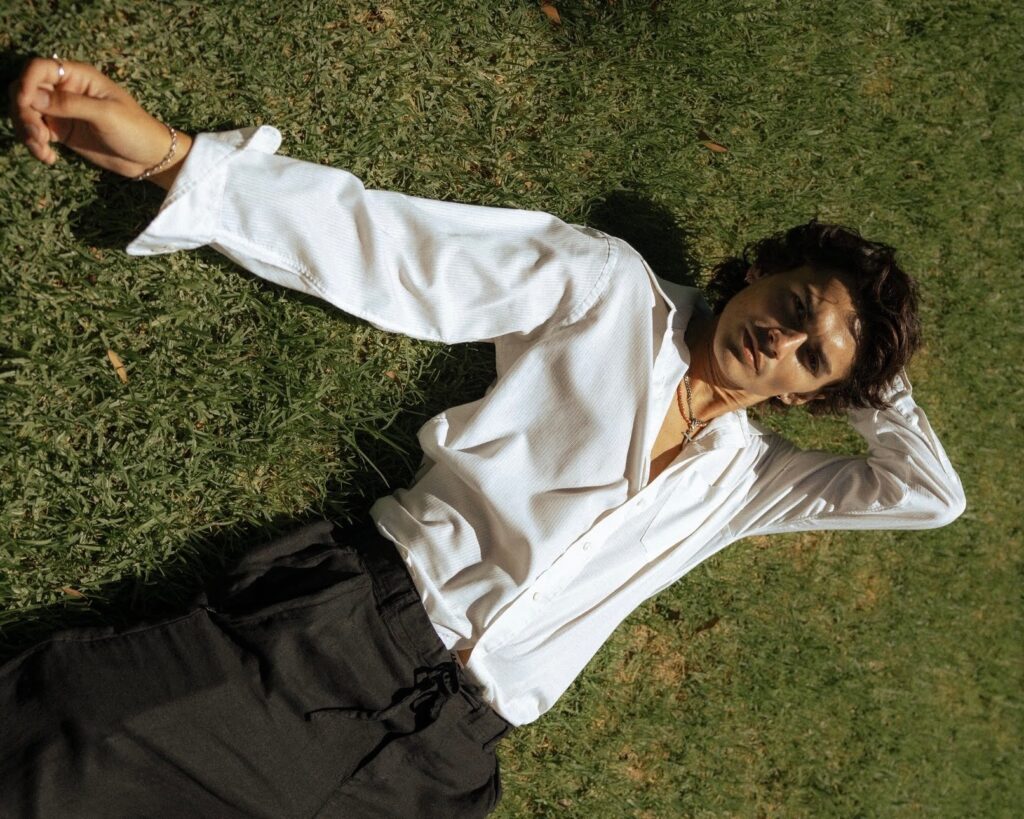 Not every 23-year-old is writing, directing, producing and acting in their production company’s latest film. But with his first feature film “Method,” Ashton Arbab is….
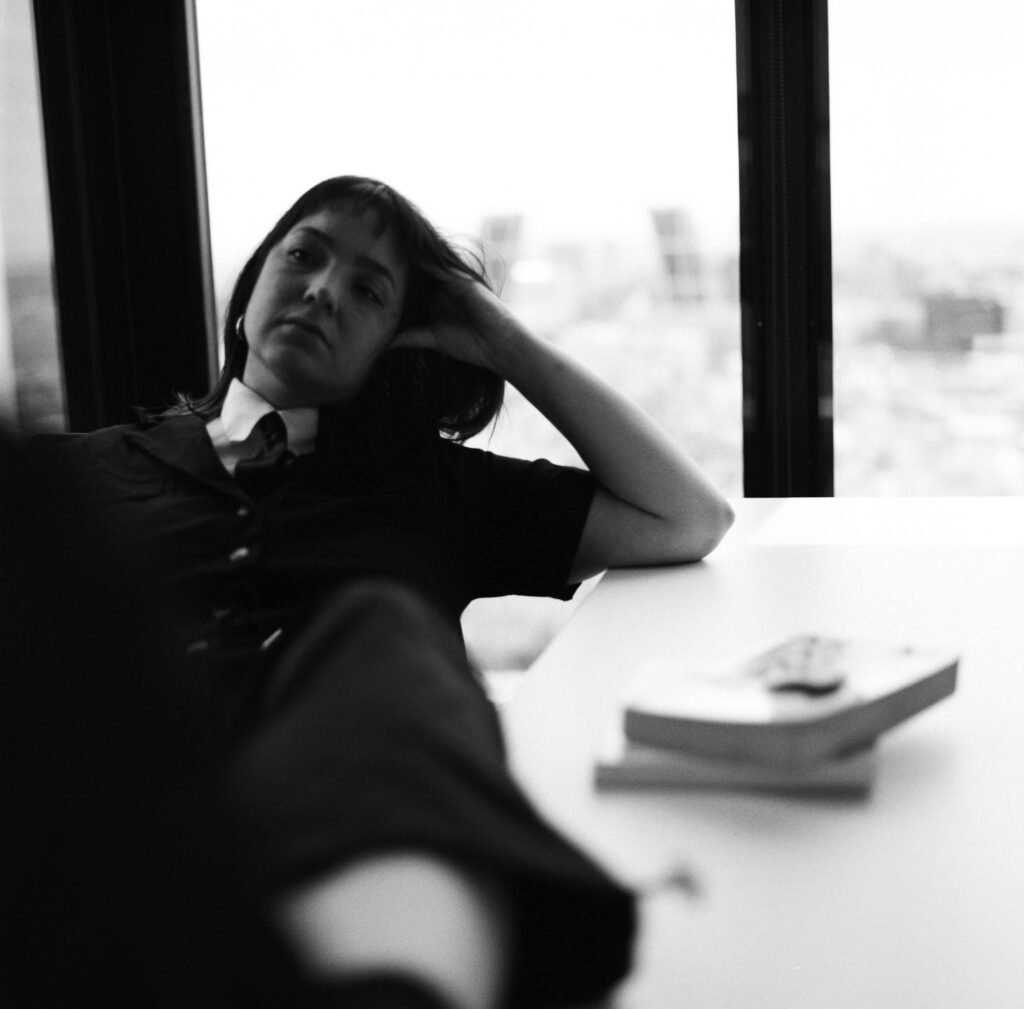 I met Joana Burd on a stifling May afternoon in Madrid’s Cuatro Torres (four towers) business district. Joana, a Brazilian artist and researcher in new…
 After nearly 20 hours of travel and a nine-hour time difference — including a red-eye flight where none of my neighbors slept, and consequently neither…
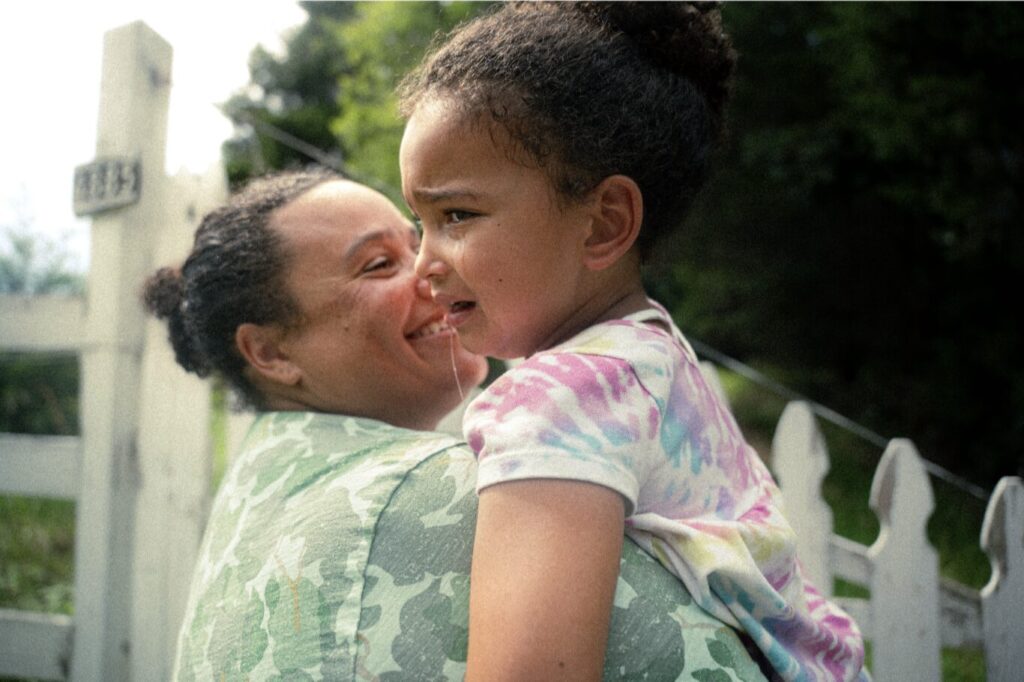 This past summer, I was asked to photograph my family reunion in North Carolina. Compared to our previous gathering four years ago, this one was…
 In his sophomore feature ‘Drunken Noodles,’ filmmaker Lucio Castro captures a plethora of these quiet moments, contrasting them with euphoric tableaus of various gay dalliances. The film spiritually evokes a space between two worlds: the hushed atmosphere of a cruising site and the unburdened revelry of one of Sal Salandra’s canvases (the real-life artist who inspires a crucial character in the film). Inside of this delicately drawn world, protagonist Adnan — a graduate student house sitting for his uncle in New York City while working at a small art gallery — seeks to fulfill his desires.
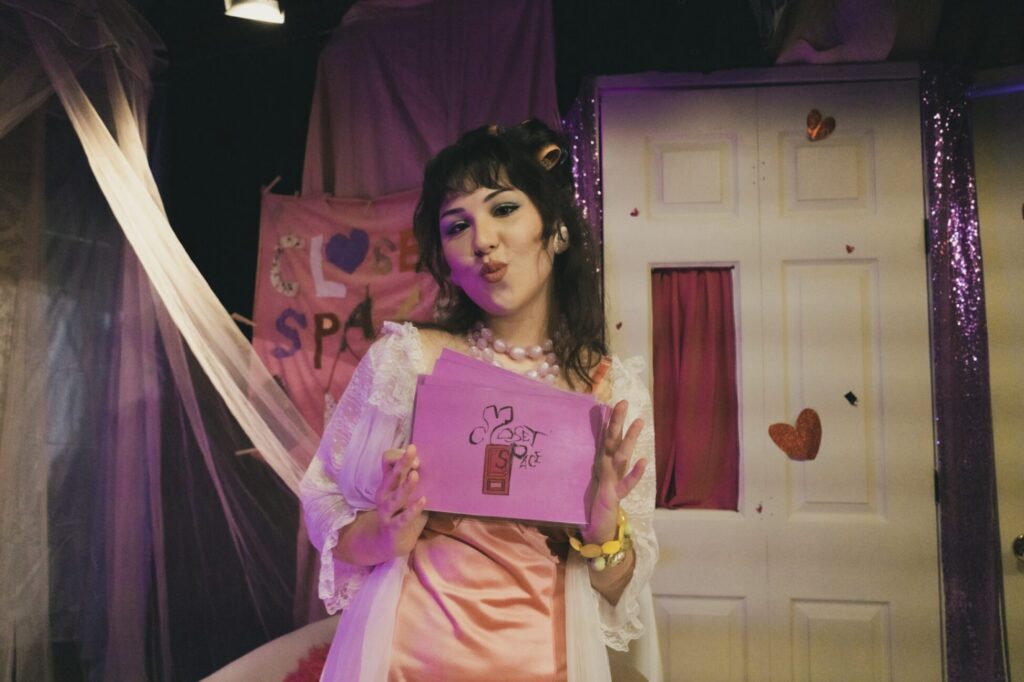 As queer dating culture bleeds into mainstream culture at a heightened rate — with the current crazes surrounding “Heated Rivalry” and the upcoming season of…
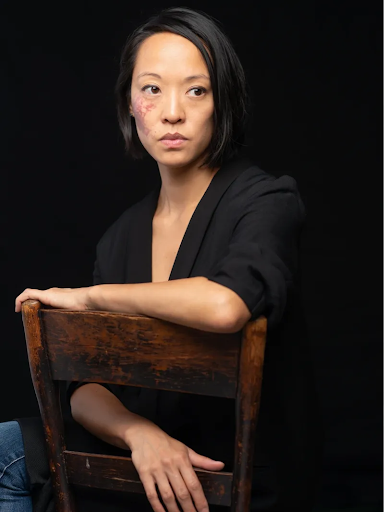 Following the film’s festival run, “The Independent” spoke with Sargent about the deeply personal origins of the project such as the risks of building a film around her own sister’s lived experience and the larger questions around disability, autonomy and care that emerged throughout her filmmaking process.
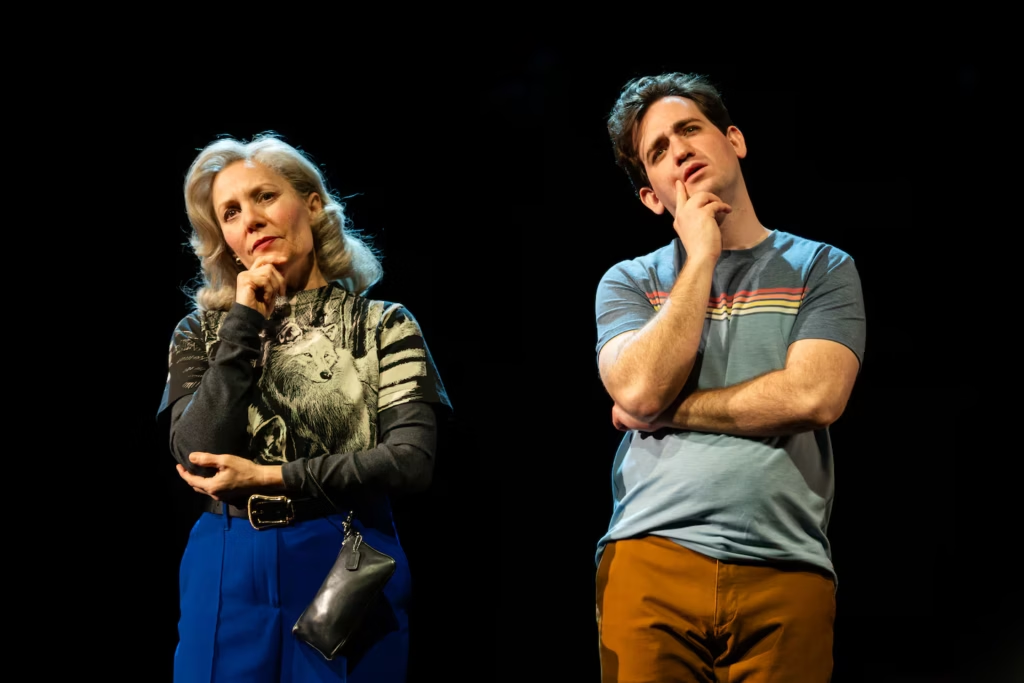 In “We Had a World,” now having its New England premiere at The Huntington, playwright Joshua Harmon does the opposite. True, the one-act play is filled with explosive family arguments and petty vendettas, but is equalized so much by its genuine writing that the tender and sweet moments, though buried underneath the drama, are just as potent.
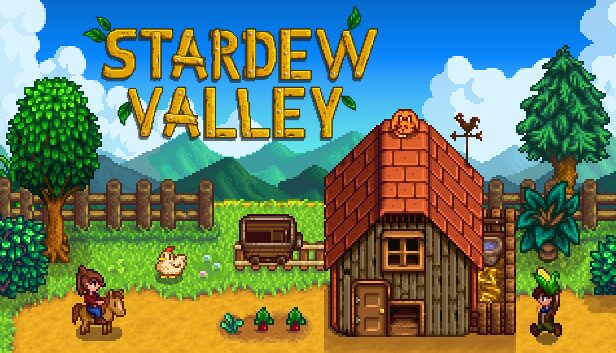 The indie charm of “Stardew Valley” shines through in this extreme, video-gamey design that prioritizes player freedom and connection with the world.
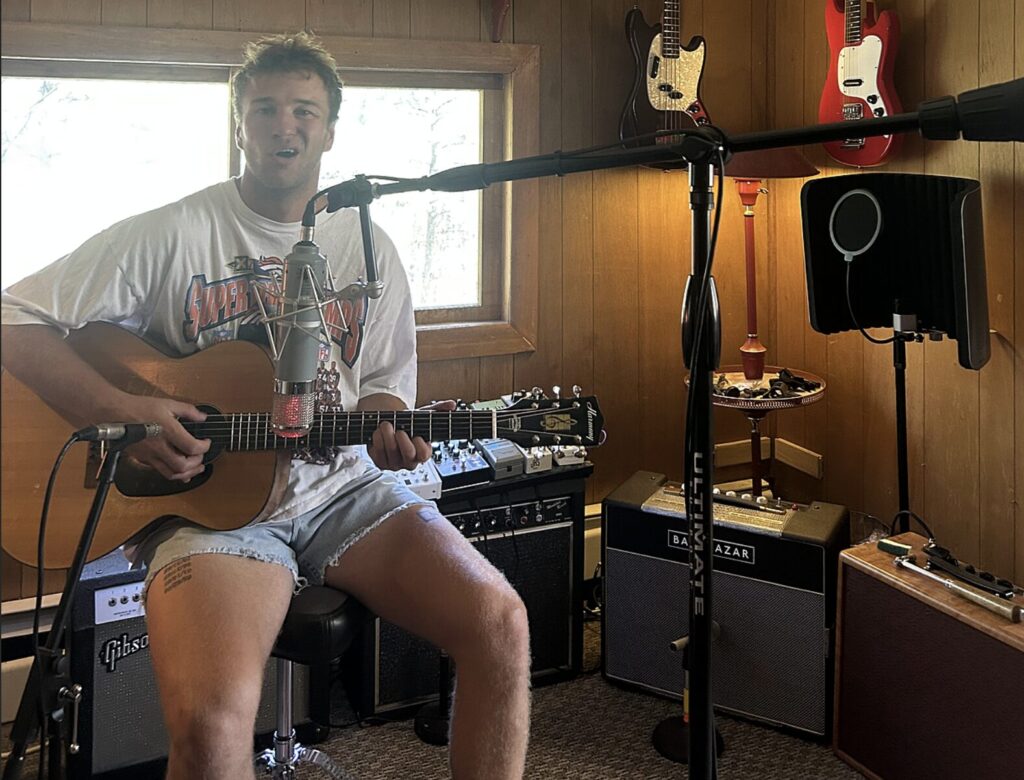 Grady & The Hootin’ Bandits are a young and resourceful Colorado-based independent band hailing from small town Evergreen. Last fall brought the release of their debut self-titled EP, a blend of folk and jazz that culminates in five tracks of indie-alternative excellence — the entirety of which can be found on Spotify, Apple Music, and YouTube Music. The third song on the EP, “Hootin’ Thing,” is a particular stand out, joining piano, horns and a grainy production style with fun upbeat vocals that will leave you desperate for more.
 James Gunn has one of the most prolific careers in the modern cinematic landscape. After getting his start as a punk-indie darling, he has become one of Hollywood’s most consistently successful directors. Since the beginning of his career, Gunn’s directorial style has been consistently characterised by the use of copywritten music. On its own, this is not unique; other directors, such as Quentin Tarantino, used radio music in films like “Pulp Fiction.” However, those songs were less centered in the story, simply enhancing what was already there.