
‘The Meltdown’: How Should a Missing Person’s Story End?

The “missing persons” subgenre of film is a strange one — repetitive at times, nearly impossible to perfect, yet often wholly immersive. Writer and director Manuela Martelli’s second feature film, “The Meltdown,” premiered at the Cannes Film Festival this week. Set to the backdrop of 1992 Chile, the story centers around Inés (Maya O’Rourke), a 9-year-old girl staying at her grandmother’s ski resort.
After Inés’ newfound friend, an amateur German skier named Hanna (Maia Domagala), goes missing in the mountains, she is left assisting Hanna’s mother (Saskia Rosendahl) in the search. Despite spending a significant amount of time with Hanna — and witnessing a series of disturbing and potentially incriminating events prior to her disappearance — Inés protects her family by lying to officials and continuing the search as if she knows nothing. Away from her parents, Inés is desperate for female connection, looking to please those who show her affection.
The melting of the snow surrounding the ski resort after well-timed rainfall (which should help lead to Hanna’s discovery) is paired with television footage of the melting of a politically symbolic block of ice advertised by Chilean officials, meant to represent the newly elected democratic government of the formerly dictator-ruled country.
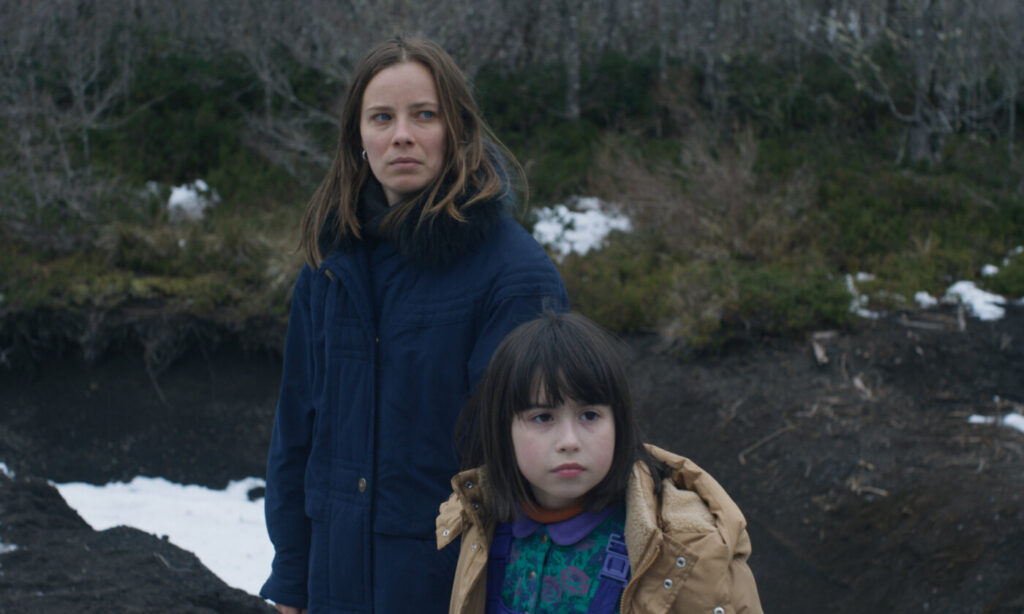
“The Meltdown” thrives in the strong and believable relationships it builds in the first two acts, along with deeply effective performances by the entire cast (most notably, an utterly fantastic one by O’Rourke). Its story and technical elements are familiar, although not necessarily to a fault — with the visual style and haunting score reminiscent of how the French Alps are depicted in “Force Majeure” and the lack of a positive conclusion in a disappearance story comparable to George Sluizer’s “The Vanishing.”
The latter, considered by many to be the gold standard of missing person films (and the most terrifying movie ever made according to Stanley Kubrick), may give us a clue as to where “The Meltdown” falls short.
In “The Vanishing,” protagonist Rex (Gene Bervoets) searches for his missing girlfriend, Saskia (Johanna ter Steege). The film climaxes with Rex learning exactly what happened to his girlfriend, as her kidnapper (Bernard-Pierre Donnadieu) tells him by means of performing the act again, only this time on Rex. The result of Saskia’s kidnapping being both tragic and unsatisfying is definitively intentional on the part of Sluizer. Watching Rex’s unceremonious kidnapping (which informs the viewer of what happened to Saskia) immerses the viewer in his perspective, allowing the feelings of frustration and disappointment to flow between character and viewer.
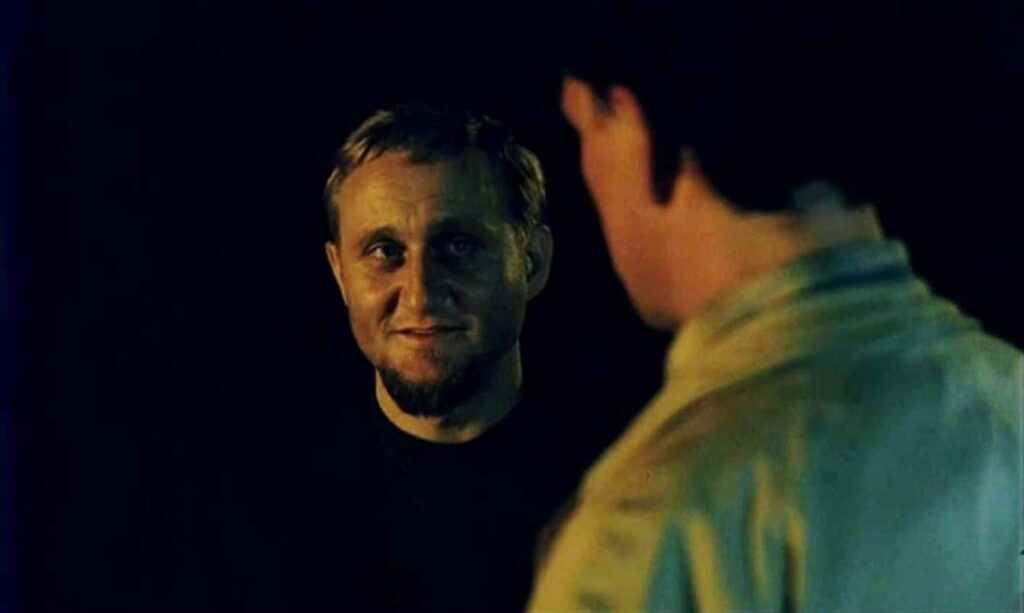
Theoretically, the uncinematic ending of “The Meltdown” should have a similar effect. But as the monotony the characters feel from endless unsuccessful searching bleeds into the minds of the viewers, act three loses steam. Like many missing real-life persons cases, the film has an ambiguous and unsatisfactory ending. “The Meltdown” and its role in the missing persons subgenre raises the question: Do viewers receive more value from a satisfying ending or a realistic one?
Of course, the answer to that depends on the film in question, but in the case of “The Meltdown,” the realism may have been overwhelming. Is “empty” really the feeling an audience member should leave with simply because that corresponds to what the character is feeling? An ending that accurately represents reality is not necessarily an interesting one. And the act of writing a character who goes missing and following the event with their family grieving is by no means groundbreaking. It is what the filmmaker does with that event that makes or breaks a story. Unfortunately, “The Meltdown” is so afraid to end with a misstep that it refuses to take a step at all.
Regions: Cannes