
Spirits, Sisterhood and Family Dysfunction Abound in ‘Forever Your Maternal Animal’
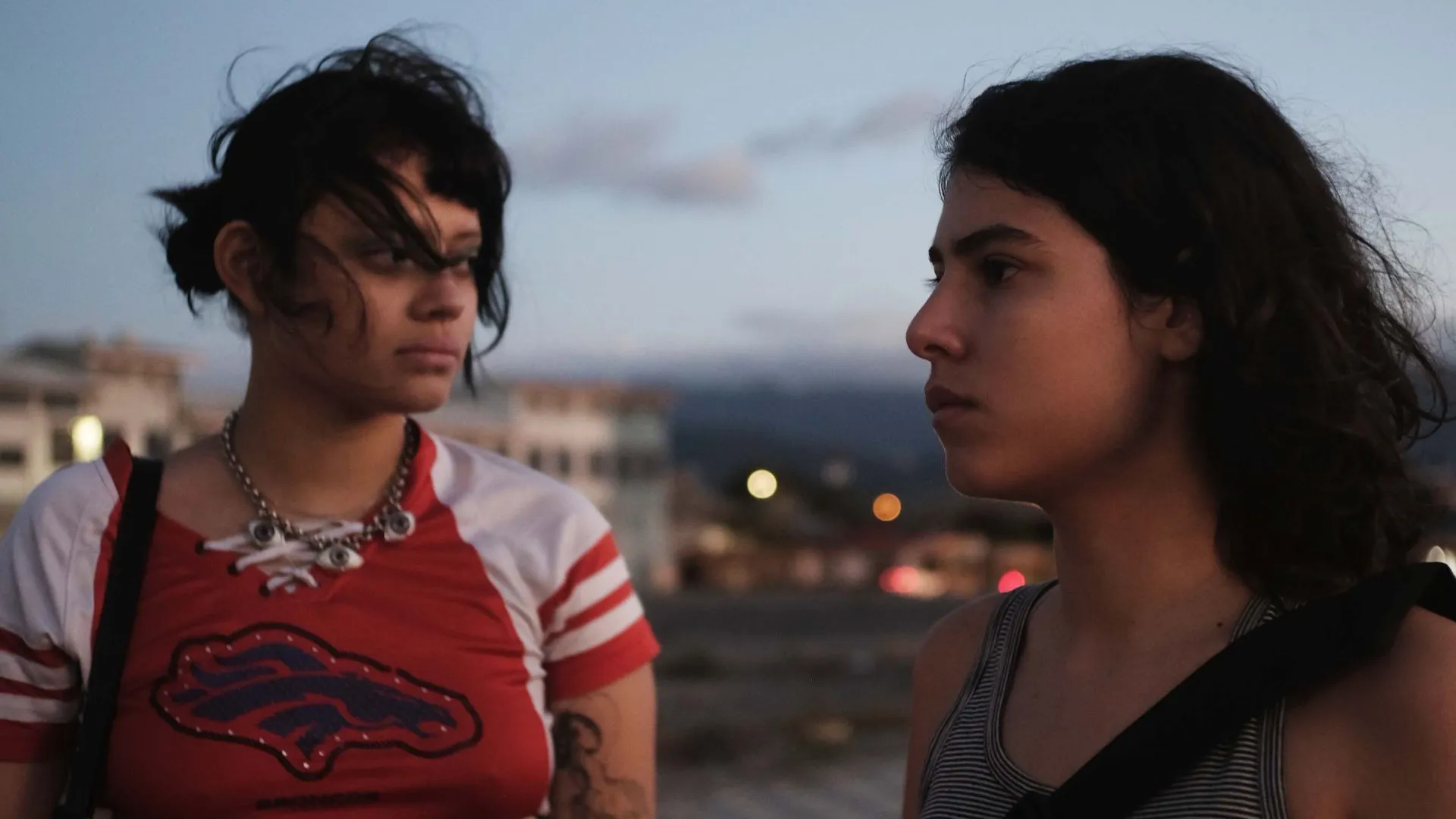
Contemporary independent films are awash in complicated families. Whether it’s the feuding father-daughter artists in “Sentimental Value” or the sibling rivalry of “The Royal Tenenbaums,” there’s something evergreen about the shifting dynamics of families whose fractured connection comes at a great cost. In “Forever Your Maternal Animal,” (translated from the original Spanish “Siempre Soy Tu Animal Materno”), which premiered in Un Certain Regard at this year’s Cannes Film Festival, we are met with such a family in crisis. Writer-director Valentina Maurel inflects her graceful drama of flailed sisterhood and flawed parenthood with touching humor helped along by an able cast.
Sisters Elsa (Daniela Marin Navarro) and Amalia (Mariangel Villegas) reap their parents’ affection in opposing ways. Elsa can relate with her emotionally withdrawn father in ways Amalia has always longed to; their mother’s coddling of Amalia has never quite extended to Elsa. They both seek independence while also looking to keep their family together. Amalia dropped out of college and lives in the apartment she and her sister grew up in, turning it disheveled and trash-strewn. Elsa tries in vain to help her sister improve her quality of life, unable to rally the support of her distant parents.
If the sisters find themselves disconnected, it’s nothing compared to the gulf between them and their parents; taken together, a picture is painted of a family at odds. Elsa and Amalia’s mother Isabel (Marina de Tavira) is looking to revitalize her poetry career by reissuing an old collection centered around her sex life. Their father Nahuel (Reinaldo Amien Gutiérrez), well-read but aimless, chases after younger women; his attempts at affection towards his daughters is clumsy and inarticulate. Amalia’s plagued by visits from house spirits; Elsa’s in a rocky relationship with an ex who may or may not be seeing someone new. All four are spiraling, outwards at each other and inward towards themselves in their own quiet and not-so-quiet ways.
What drives the drama of the film is how unwilling each is to ask for what they need from one another and the relief that comes with showing yourself to your family. Sometimes, they’re the only people who truly understand you. Maurel carefully dramatizes the time in a family’s life when young adult children, having separated from their parents, look back towards them for security — and find that their parents have gotten rather eager to revitalize their own individual lives. De Tavira’s performance is tenderly realized towards this arc. Isabel’s Botox-bruised eyes telegraph her longing for recognition as something powerful but ineffable as her motive oscillates between maternal and personal.
Amalia’s instability — her mood swings and claiming to see ghosts are grimly reminiscent of her aunt’s mental breakdown — provides an otherwise lighthearted film with a strange tension. Villegas never lets her performance teeter into outsized fanaticism, often grounded by the watchful eye of Navarro; their scenes together conjure all the tenderness of sisterhood. One is always trying to get the other to see things their way, and their failure to do so is ultimately trumped by the moving quality of their compromise.
De Tavira, Navarro and Villegas are tremendous together, their emotional push-and-pull providing the film’s emotional anchor. Each seeks self-actualization and personal independence in their own way while still clinging to the identity — good sister, proud mother, obedient daughter — they earn within their family unit. What results from this conflict is a deeply moving story of a family in flux, seeking to reconfigure itself while remaining united.
Regions: Cannes