
The Independent Staff Picks: Favorite Summer 2026 First Watches
We at The Independent hope you had a great summer! As we get into the swing of a new school year, we want to highlight some films we watched for the first time this summer that had a profound impact on us. We hope this mismash of genre, language and time period inspires you to watch a film from out of your comfort zone.
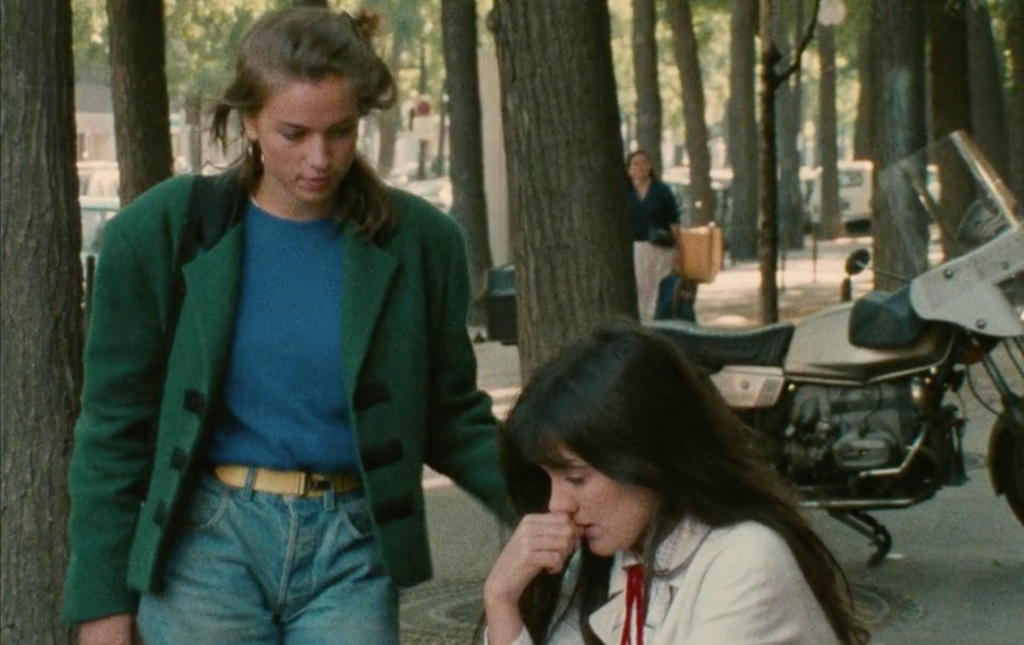
Staff Copy Editor Alyssa Buford’s Pick: “The Four Adventures of Reinette and Mirabelle” (1987) dir. Éric Rohmer
Organized into four “episodes,” Rohmer’s film follows two young girls who meet in the summer and decide to become roommates. Each “episode” builds on the girls’ differences, personalities and interests with the contrasting backgrounds of Paris and the French countryside. This was my first Rohmer film, and I thoroughly enjoyed it. The subtle incorporations of trans-diegetic sound in the first and last “episodes” of the film really add to the compelling visual elements, and I have been converted to a Rohmer loyalist.

Editor-in-Chief Mia Cassidy’s Pick: “The Little Sister” (2025) dir. Hafsia Herzi
This coming of age film follows 17-year-old Fatima (played by Nadia Melliti) as she questions love, tradition, religion and sexuality. I saw this film at the Laemmle Theater in Santa Monica, and was merely one of two audience members — an intimate setting that I was ultimately grateful for. No less, the film carried me through every emotion: laughter, stress, excitement and tears. Melliti’s performance is so natural and exciting. Seeing the film through her experience gave me a perspective into my own life and relationship with my queerness in a way I had rarely felt so closely. Hafsia Herzi’s masterful directing tells this difficult story with such grace and beauty, without shying away from uncomfortable scenes and feelings. Looking back at my film list from this summer, “The Little Sister” easily stands out as one of the most impactful films I’ve watched and has left me with beautiful images and visuals.

Staff Copy Editor Brooke Lelia’s Pick: “Teenage Sex and Death at Camp Miasma” (2026) dir. Jane Schoenbrun
After receiving the 2026 Cannes Film Festival’s Queer Palm in May, Jane Schoenbrun’s “Teenage Sex and Death at Camp Miasma” was released worldwide at the end of the summer. Starring Hannah Einbinder and Gillian Anderson, the film begins through the eyes of a queer filmmaker named Kris (played by Einbinder). Tasked with reviving a once-thriving — now problematic — slasher franchise, she treks to the Pacific Northwest to meet with the original final girl from the first “Camp Miasma” movie, Billy Presley (played by Anderson). After meeting, the two women give in to an all-encompassing desire. They share intimate moments over fried chicken dinners and hand-rolled joints in the snow before falling deeply into a romantic whirlwind. The film is a beautiful, bloody and hilarious exploration of queer sexuality, gender and pleasure. With enchanting hand-painted sets, a soundtrack composed by Alex G and copious nerdy references, it is a guaranteed memorable movie-going experience for film fanatics everywhere.

Staff Editor Andriani Maria Lamprinou’s Pick: “No Other Choice” (2025) dir. Park Chan-wook
Park Chan-wook’s “No Other Choice” opens with a scene of familial bliss right before disaster ensues. After Yoo Man-su (played by Lee Byung-hun) is fired from his 25-year-long employment at a paper company, he desperately tries to compete against other strong candidates in securing a job. However, it soon occurs to him that the only way he can succeed is by eliminating his fellow competitors, a decision he makes as he sees “no other choice.” Using dark comedic elements to enrich the moody atmosphere of the thriller, Park criticizes the competitive South Korean job market that turns candidates against one another. The movie’s “happy” ending shows technology replacing human labor and presents a potential threat to Yoo’s fate.
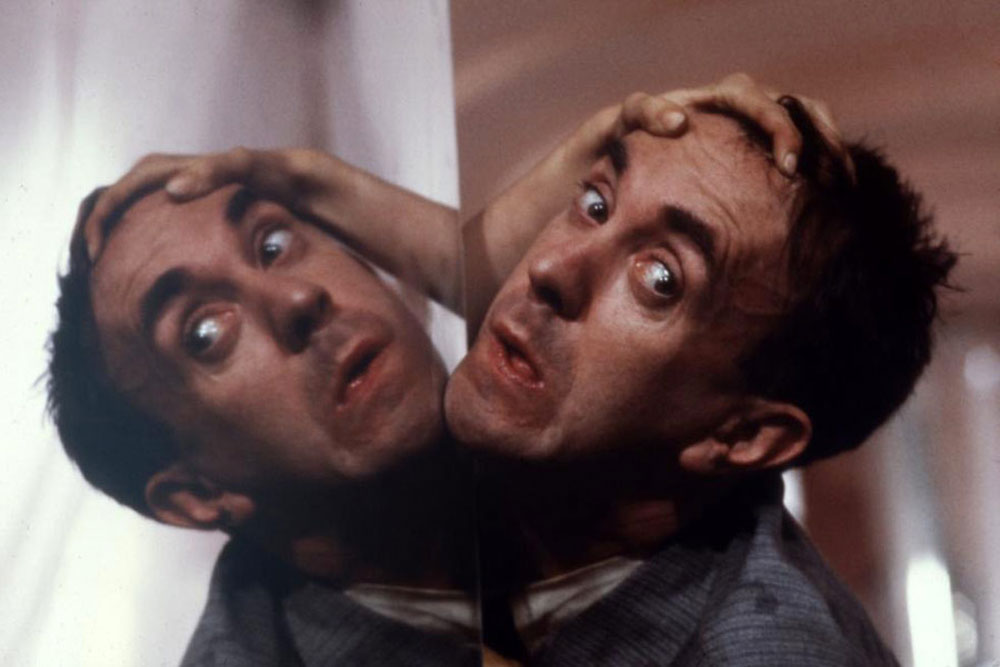
Copy Chief Molly Fitzgerald’s Pick: “Brazil” (1985) dir. Terry Gilliam
Set in a maximalist, hyper-surveilled future, “Brazil” follows Sam Lowery (played by Jonathan Price), a low-level bureaucrat who finds himself in the midst of a government conspiracy after discovering the wrongful arrest and execution of a civilian. Plagued by visions of himself as a winged warrior, Sam struggles for answers in the face of a gaudy regime. The film’s production design and performances are borderline theatrical, resulting in a brilliant stylistic meeting of George Orwell and Bob Fosse. Funny, provocative and at times genuinely frightening, “Brazil” is, in my mind, the peak ‘80s dystopian.
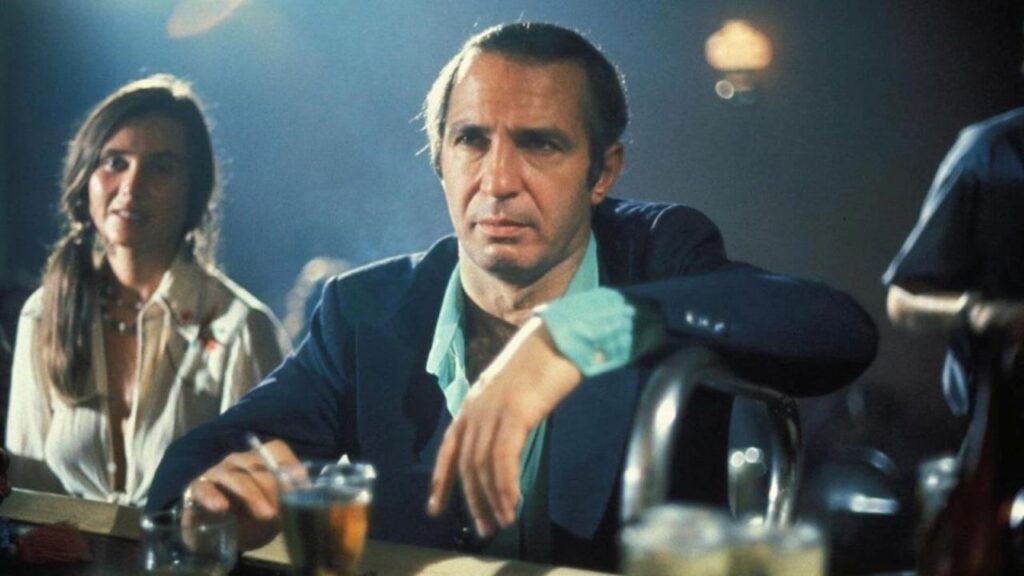
Co-Managing Editor Nate Ruttenberg’s Pick: “The Killing of a Chinese Bookie” (1976) dir. John Cassavetes
An unconventional crime story, “The Killing of a Chinese Bookie” follows Cosmo (played by Ben Gazzara), the owner of a notably artistic burlesque strip club. After falling into massive gambling debts, Cosmo is forced to carry out a hit on a rival of the gangsters he is in debt to. Despite his life crumbling around him, Cosmo stays committed to his showmanship, always sure to put on a smile no matter the circumstances. Gazzara’s understated yet intimate performance is what makes the film cohesive in a story focused more on the inner workings of a character than any plot beats. Cassavetes’ commitment to keeping the picture gritty and unforgiving leads to it being such a uniquely dark masterpiece.
Regions: Boston