
‘Coyote vs. Acme:’ A Major IP Saved by the Indie Scene
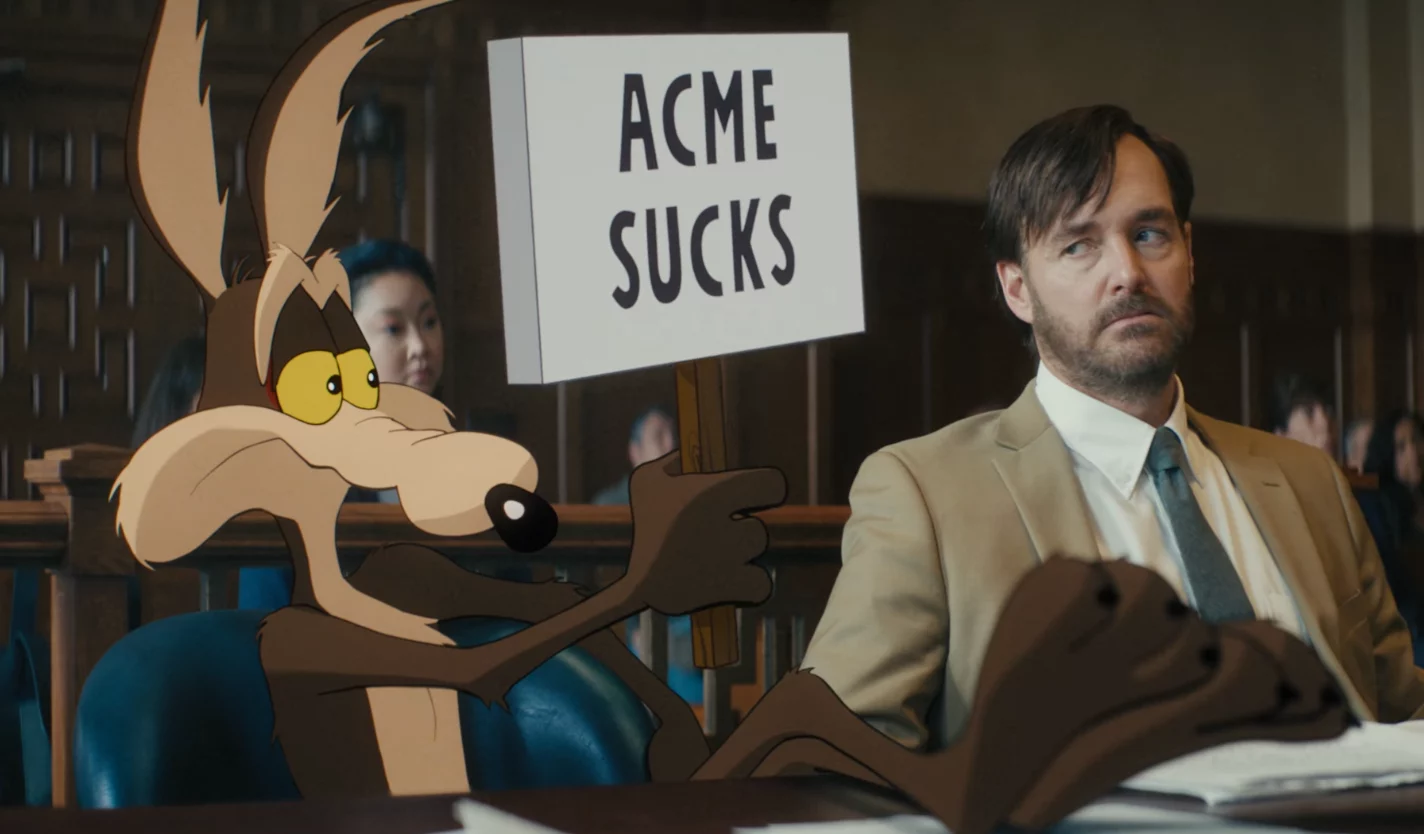
The newest Looney Tunes film “Coyote vs. Acme” follows Wile E. Coyote’s attempt to sue the Acme Corporation for their defective products that failed to capture the Road Runner. Kevin Avery, a cartoon injury lawyer, and his intern niece help Coyote uncover disturbing secrets about the Acme Corporation. In this story about legal conundrums and immoral bureaucracy, both Coyote and comedy persevere.
The film was completed in 2023, set to release on July 21 of that year by Warner Brothers Discovery (WBD). Instead, “Barbie” took its spot in the release schedule, leaving audiences confused about the film’s fate.
Fans got their answer that November — WBD announced they planned to shelve the film for a $30 million tax write off.
WBD reversed course less than a week later and put the film up for sale, screening to multiple studios and receiving near-unanimous praise. However, no bids met their $75–80 million price.
“Coyote vs. Acme” sat in limbo for nearly three years. The uncertainty of the film’s release lingered in the minds of fans — the possibility of a completed, highly-anticipated film being lost forever was terrifying. In March 2025, the independent film distributor Ketchup Entertainment bought the rights to the film for $50 million dollars and arranged for its August 2026 theatrical release.
In its debut weekend, “Coyote vs. Acme” proved itself to be worthwhile for both longtime Looney Tunes fans and casual viewers. Grossing $15.9 million opening weekend, the film ranked high on the domestic box office viewership charts, only topped by “Spider-Man: Brand New Day.” By the end of September, the film had grossed over $100 million internationally.
A question remains, even after the success of the film’s release: Why would WBD want to shelve a completed film for a write-off worth less than half the production cost? An expected box office flop and financial desire to cut their losses early is the only assumed reason to write off a movie for less than its production cost.
A one-off situation, as insane as it sounds, could be written off as a questionable executive decision: this was not, however, a one-off situation. In fact, if the write-off went through, “Coyote vs. Acme” would be the third movie in a single year to be shelved by WBD. The timing of the movie’s initial November cancellation is no coincidence.
In September of 2025, talks of a merger between Paramount and WBD circulated the media: this recontextualized the company’s original plan to scrap the film. WBD’s readiness was to avoid potential monetary losses to attract higher bids. This has unsettling implications for artists, writers and directors: Does the quality of the art matter when it could be scrapped for reasons beyond the creator’s knowledge or control?
In opposition of WBD’s stance, Ketchup Entertainment considered the film’s comedic artistry worth taking a financial risk, emphasizing the independent film industry’s priority of the art over the dollar.
Slapstick comedy can be a slippery slope. Even if done well, the schadenfreude is dulled by the humor’s eventual redundancy, especially if a single film relies solely on it— there are only so many ways someone can get squashed by an anvil. Still, “Coyote vs. Acme” is able to avoid the pitfall, despite nearly half of the jokes being physical comedy.
Its successful execution is accredited to the unique combination of live action and traditional animation. The producers and animators had to think about how cartoon physics and standard physics could interact in a plausible way. An initial hurdle ended up strengthening the film’s humor, representing the amount of thought considered for each comedic bit.
The artistry and care put into each aspect made the film resonate with a larger demographic. Ketchup Entertainment saw the artistry put forth by the production crew and recognized the potential success, rather than basing the film’s worth on how it would potentially perform at the box office.
With the film’s tension rooted in Avery and Coyote taking on an entity larger than either could imagine, their determination and defiance reflects Ketchup Entertainment and fans’ real-life aspirations. All parties were guaranteed to lose based on the industries’ constructed odds, yet they kept fighting.
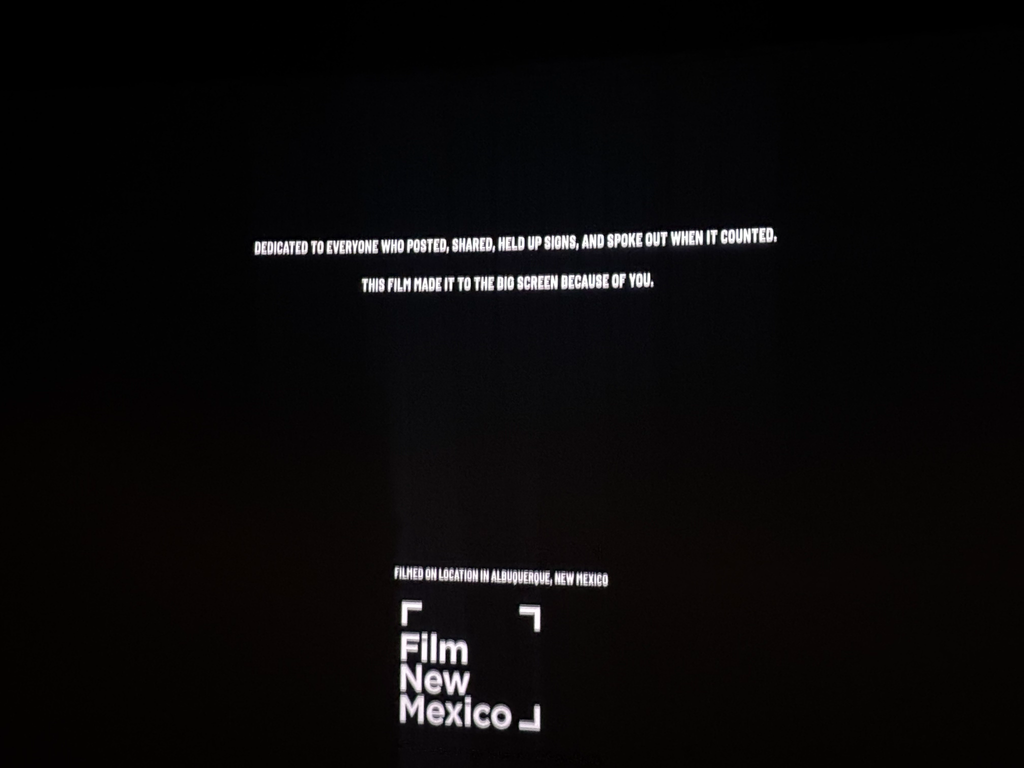
At the end of the film’s credits, the creators recognize fans as the reason for the film’s eventual release. The message not only serves as a ‘thank you’ for fans, but a call for action to support artists in a world so intently focused on financial gain.
On the night of October 25, 2026, Eric Bouza passed away at the age of 46. He was the modern voice of Bugs Bunny, Daffy Duck and many other big character names in the Looney Tunes IP. He fought for the release of “Coyote vs. Acme” for reasons beyond his involvement with the project. He was not only a phenomenal actor and cartoonist, but a deeply passionate advocate for the arts.
Regions: Boston, New York, United States