
“Wildwood” on Fighting AI With Fine Art
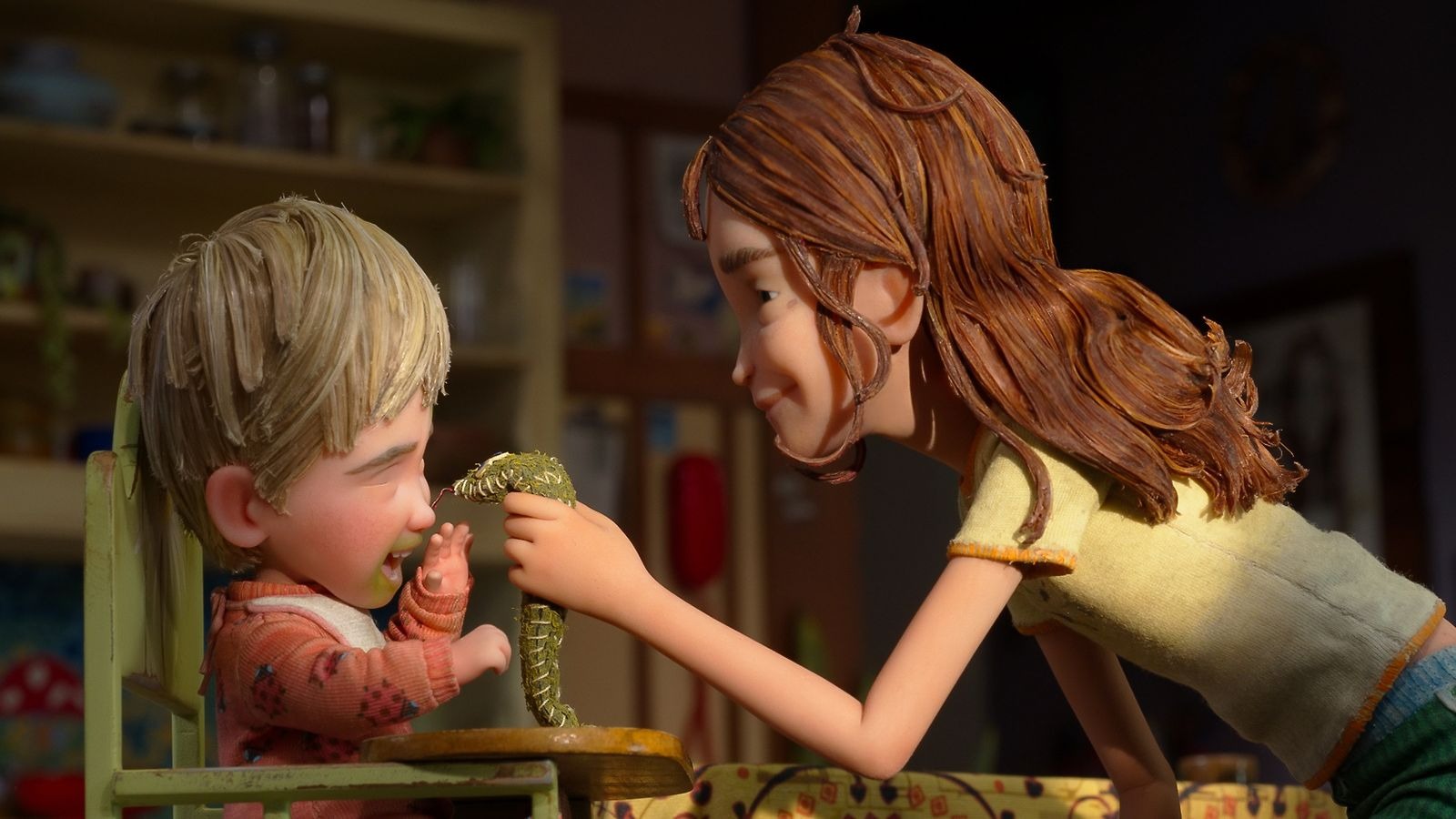
Prue McKeel and her brother Mac McKeel in “Wildwood” (Photo from Letterboxd).
Travis Knight’s latest feature film “Wildwood” is a statement of bravery in a fight against the most dangerous aspects of modernity. The film’s ultra relevant theme of how AI distorts what humanity has to offer is only elevated by the way it was created — with a dedication to stop-motion. It’s not that a live-action film couldn’t have sent the same message, but using stop-motion for this story becomes the message itself. Every blade of grass and streak of hair is manipulated by the creators, making the filmmaking process both deeply painstaking and rewarding.
Though there are an abundance of scenes of beautiful nature and wildlife throughout the film, the opening seconds of “Wildwood” drop the viewer into a gray scale flashback of desperate sadness. Alexei, the son of a governor, jumps from a baroque balcony at a dinner party, ripping a cog out of his chest to reveal he is a piece of machinery. His mother, plagued by sadness after her only son died in a freak horseback riding accident, had tried to put a soul into something unnatural, breaking her own heart a second time.
The mother, now a hostile and tyrannical being deemed the Dowager Governess (Carey Mulligan) desperate for control, began domesticating freely living animals that were meant to be wild. She would burn her world down for a chance to rebuild a robot that would never be her son. She would even take someone else’s child as a sacrifice for her own.
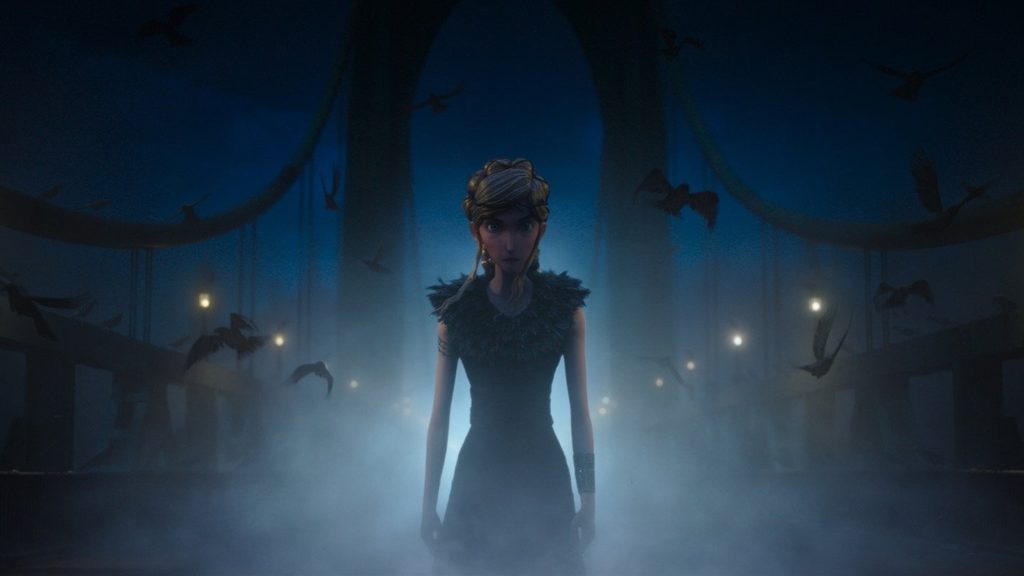
Thus introducing the strong-willed 13-year-old Prue (Peyton Elizabeth Lee), and her toddler brother, who live with their suspiciously overprotective, hippie parents in Portland, Oregon. Through a series of misfortunes the toddler is kidnapped by the dowager’s crows, and Prue and her kindhearted classmate Curtis (Jacob Tremblay) end up in the forbidden forest to find him. As the story unfolds it is revealed that Prue’s parents had made a deal with the dowager to combat fertility issues. They would get a child, but their second would be bestowed to the dowager as a sacrifice to the woods.
Prue’s world is in shambles because of her parents’ concern for their personal goals, neglect for the future and lackadaisical view towards reality — much like the dowager. However, when the Dowager tries to make Curtis kill an animal, he refuses because it goes against his personal reverence for life.
The dowager and many others in her world have been desensitised to the beauty of life because all they knew was its fragility: how easily wars could take life, the malleability of morals, and the horror of having something make choices for you. In times as tepid as these, with the integration of AI into all aspects of life, “Wildwood” asks us to consider if we are in any way different from the adults in the film.
Films like “Wildwood” have taken massive leaps of faith, hoping to be caught by people who care. With a budget of over $100 million, it is one of the most expensive stop-motion films in history and has been hailed as one of the best films of the year by critics. Despite Oscar buzz, a large marketing campaign and enthusiastic fans, “Wildwood” will not turn a profit from its theatrical release. As consumers, we take for granted the ethereal beauty that comes from stop-motion and original stories, often causing them to suffer from our inattentiveness. Though 2026 was a huge year for cinema with blockbusters and independent films alike breaking box office records, “Wildwood” did not receive the same love.
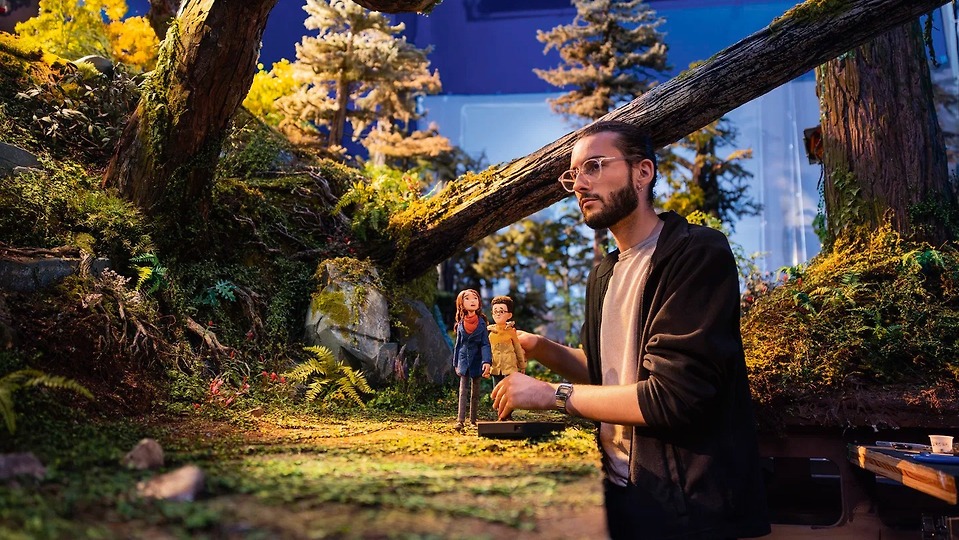
More than creating over 1000 jobs for creatives and taking strides in aerial stop-motion, the film was made as an act of defiance. It is a response to companies like Netflix, which are often criticized for making films not for art, but for the brand. The production company, LAIKA Studios, made a film not for the box office history books, but through the vision of Knight, who was inspired by the artistry of stop-motion as a child, and wanted to ignite that same awe in young people.
87% of Gen Z claimed to have supported the film industry in the last year, making them fine art’s biggest monetary supporters. It is safe to say that the neglect of cinema by older audiences and the application of AI in art is not being accepted as readily by young people. In a time where those who have yet to enter the workforce fear their future job could be taken by a machine, what rises from the ashes is a reverence for life like Curtis’, which can only be honored correctly through art.
In an interview with Mike DeAngelo, Travis Knight said, “AI is theft. It’s the ingestion of years and years and years of human creativity and ingenuity, regurgitated back. It has no humanity. It has no spirit.”
Gen Z doesn’t want to kill the living, breathing organism that is artistry and will not let those with power push their apathetic views toward humanity on the future of cinema. Knight made a film to show the younger audiences that they don’t need to tolerate a disregard for beautiful things that take human emotion, dedication, and in “Wildwood”’s case, 16 years.
Regions: Boston, Los Angeles, New York City, United States