Zine Article

  • Reclaiming the Male Gaze: Learning to See Through Film Photography

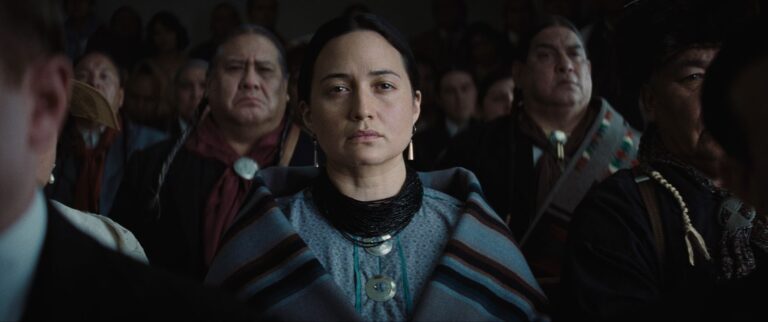
    I’ve questioned my own gaze for years. As a small child, I observed my three sisters — triplets eight years older than me — become women, and marveled at the power, allure and dynamism in femininity. Simultaneously I saw men lie, cheat and be violent in their reach for women. And I’ve gazed at myself in the mirror, watching my perception of self shift from day to day. My own perception of myself is as capricious as the winds, rising and falling with my mood, my cycle, the day’s events.

  • |

    Too Daring for a Domestic Audience? Examining the 1964 Japanese Horror Film ‘Onibaba’ 

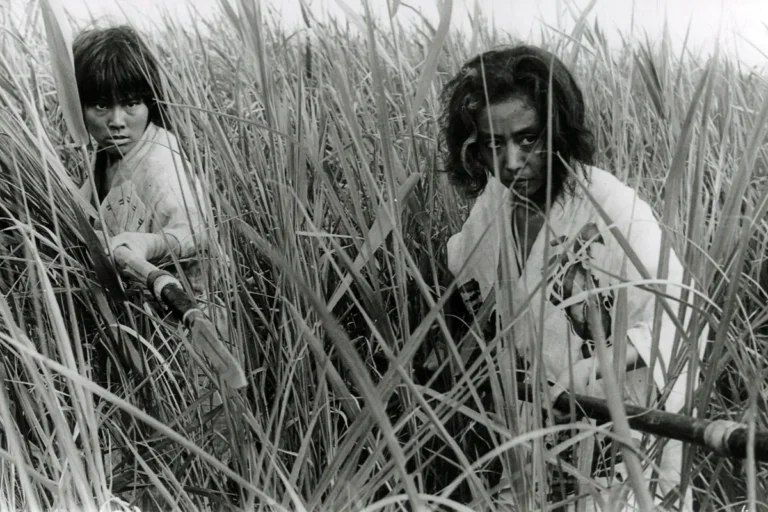
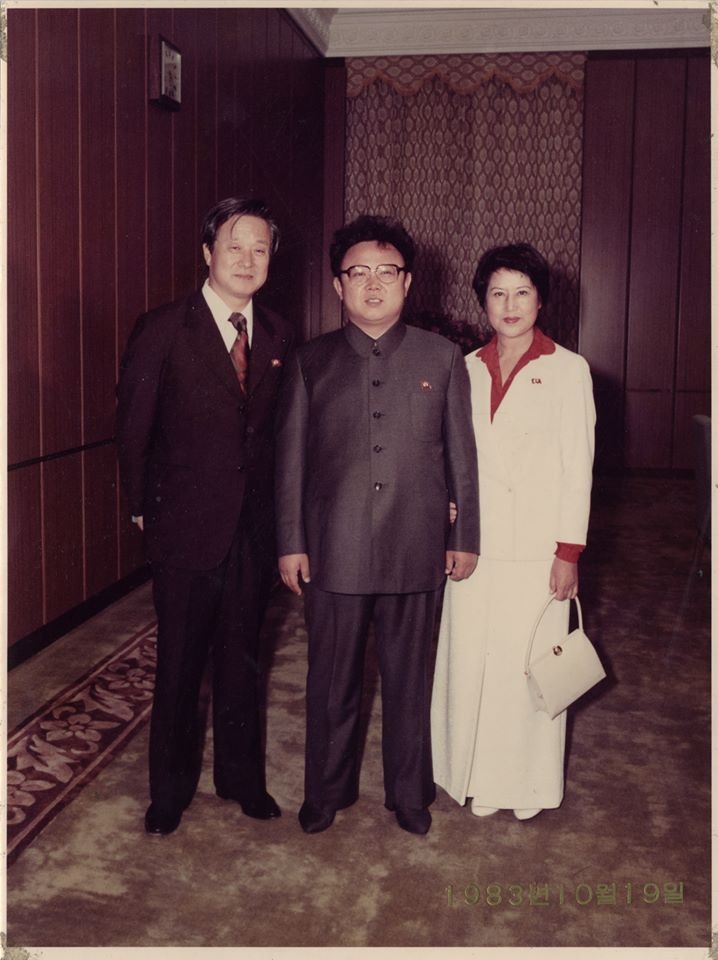
    “THE MOST DARING FILM IMPORT EVER . . . FROM JAPAN!” is how Toho Studios first advertised “Onibaba” to foreign audiences. With a sex-centered plot that features disturbing, psychosexual encounters between characters, writer/director Kaneto Shindo’s intentionally controversial 1964 horror film pushed the limits of both Japanese and international censorship laws. Mildly censored in Japan and banned outright in countries such as the U.K., “Onibaba” serves as a deeply unusual combination of folkloric story and bold, modern sexuality.

  • |

    ‘No Other Land’ and the Violent Suppression of Truth

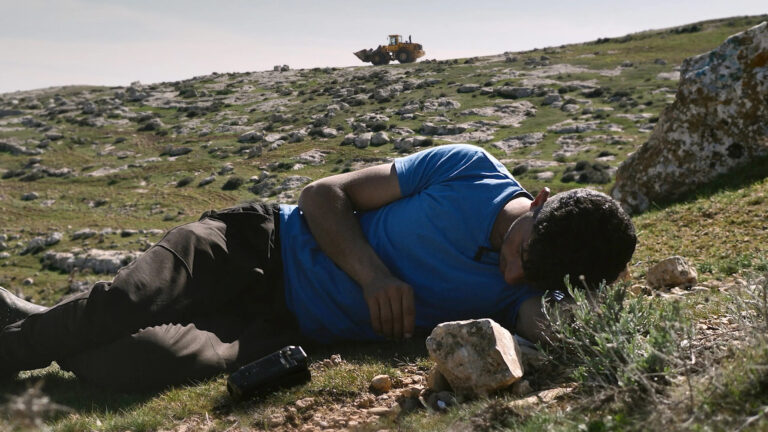
    Before he was murdered in his hometown of Umm al-Khair, Palestinian activist Awdah Hathaleen sent a final message to the West Bank Protection Consortium’s WhatsApp group:

    “Urgent call — the settlers are working behind our houses. And the worst, they’re trying to cut the main water pipe for our community. We need everyone to act. If you can reach people like the congress, the courts, please do everything. If they cut the pipe — I’m sorry. If they cut the pipe, the community here will literally be without any drop of water.”

  • |

    ‘Z’: How a Single Letter Paved the Way for Government Criticism

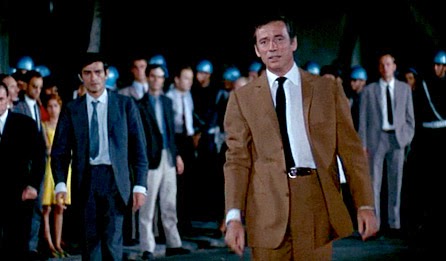
    Post-WWII, the sixties were a period of military dictatorships and one-party governments around the world. In Europe, one of the only countries that had a military dictatorship, or junta, was Greece, after a bloodless coup orchestrated by the leadership of army colonel and subsequent Prime Minister Georgios Papadopoulos. This military junta inspired French-Greek filmmaker, Costa-Gavras, to create the film “Z” in 1969. Due to its critique of the government, the film would not be released in Greece until after the fall of the junta.