America’s Largest Documentary Festival – Nov. 8-26
Anselm Kiefer, Liv Ullmann, Little Richard, Jack and Sam Top DOC NYC How does one approach a film festival too…

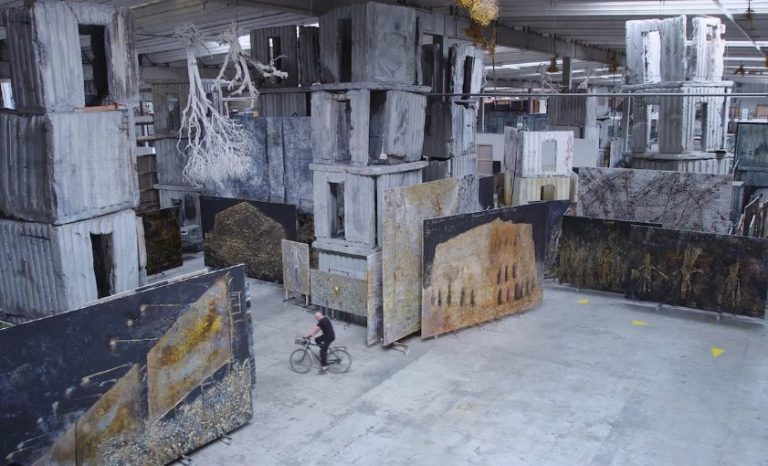
Anselm Kiefer, Liv Ullmann, Little Richard, Jack and Sam Top DOC NYC How does one approach a film festival too…
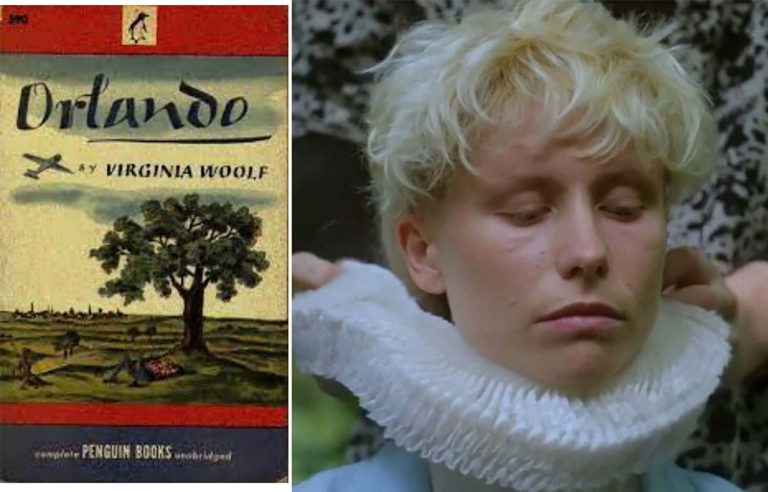
Film at Lincoln Center knows its audiences. Christian Petzold’s Afire (2023), a German drama of wildfires setting an entire forest…
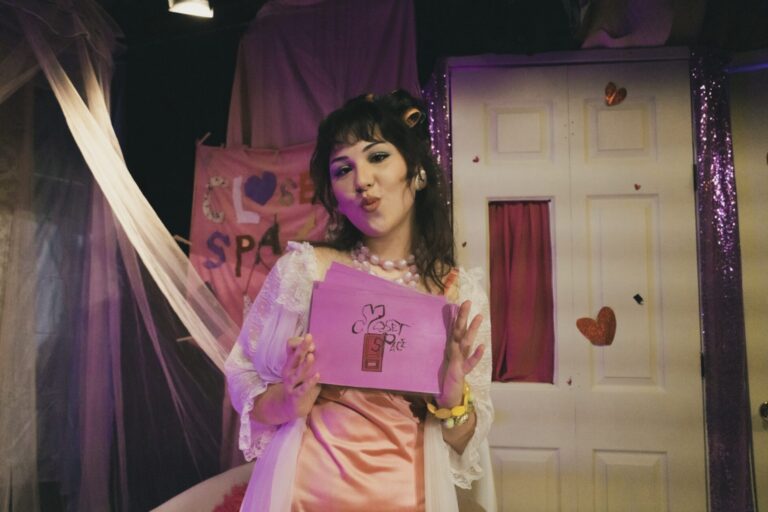
As queer dating culture bleeds into mainstream culture at a heightened rate — with the current crazes surrounding “Heated Rivalry”…
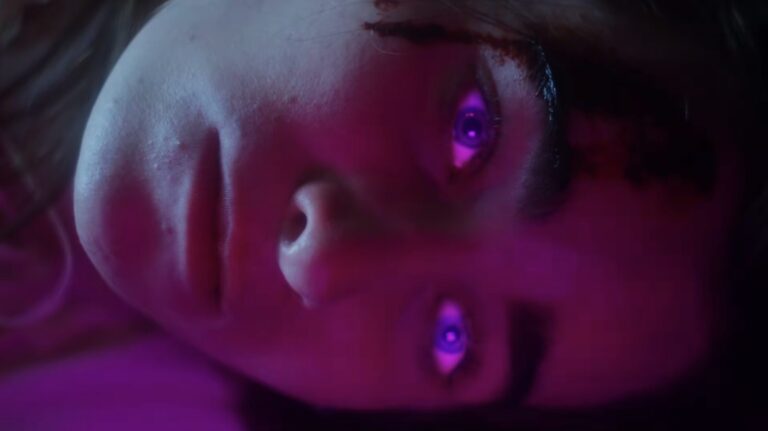
For all that feels familiar about “The Serpent’s Skin” — a horror film featuring demonic possession, witchcraft and characters connecting…
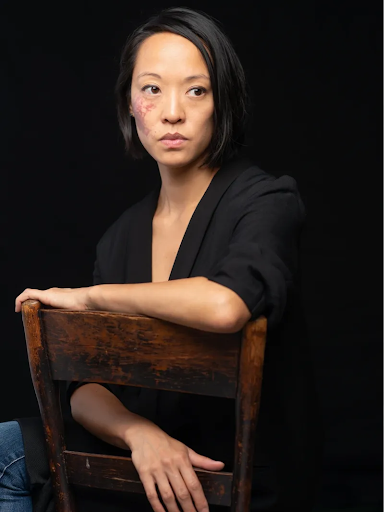
Following the film’s festival run, “The Independent” spoke with Sargent about the deeply personal origins of the project such as the risks of building a film around her own sister’s lived experience and the larger questions around disability, autonomy and care that emerged throughout her filmmaking process.
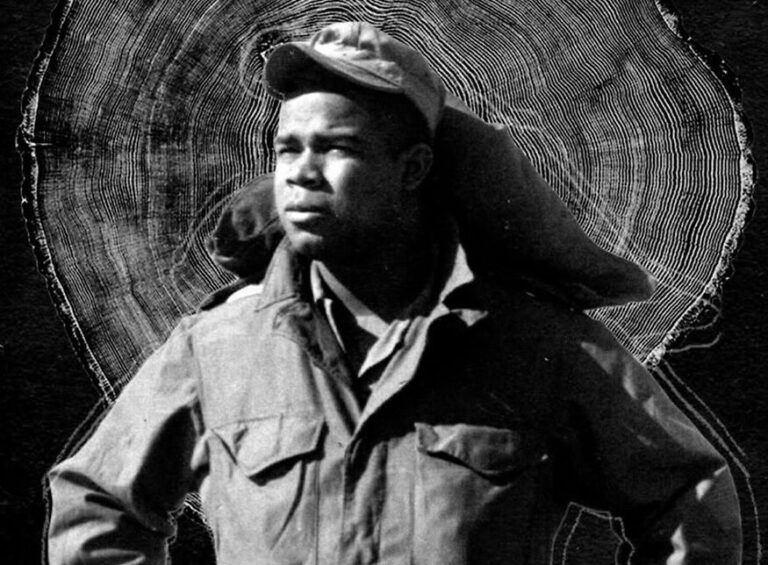
In a world where most film directors start by making shorts, just one New York fest shows them all to…
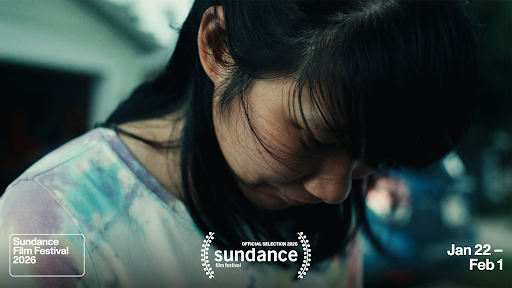
Within minutes of the feature, L. Sargent’s intention to shift away from her proof-of-concept 2023 short becomes obvious. Though captured by different cinematographers, both films share similar documentary-style camera work and capture a tone of devastating and tender social realism. A striking difference, however, is the father’s, Bob’s (Victor Slezak), absence in the short and significant presence in the feature, in which he almost completely replaces Anna’s fellow adoptee sister, Emily (Ali Ahn). This drastically shifts the film from a depiction of sisterhood to one of parenthood complimented by sisterhood.
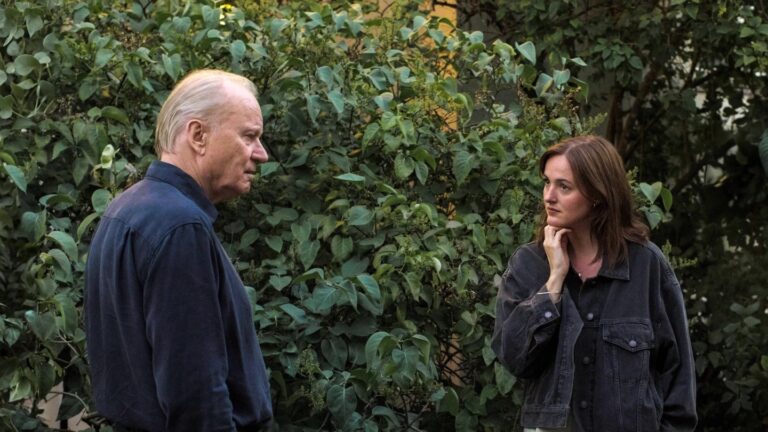
“Everyone’s mad at dad, huh?” There’s a lot trapped within the Borg house. (Literal) writing on the wall, domestic disputes…
From video art’s emergence in the late 1960s, it has sparred in a productive tension with cinema, simultaneously appropriating and dismantling film’s conventions. Early pioneers such as Nam June Paik, who transformed television into sculptural architecture, Bruce Nauman, whose closed-circuit videos foregrounded surveillance, and Joan Jonas, who fused performance with myth, all redefined the screen as a physical and experiential space rather than a transparent narrative window. This expanded cinematic grammar saw further development by artists such as Douglas Gordon, whose temporal manipulations of Hollywood films fractured narrative time; Sam Taylor-Wood, who merged painterly stillness with cinematic duration; and Stan Douglas, whose meticulously constructed filmic installations interrogated history, memory, and the mechanics of storytelling.
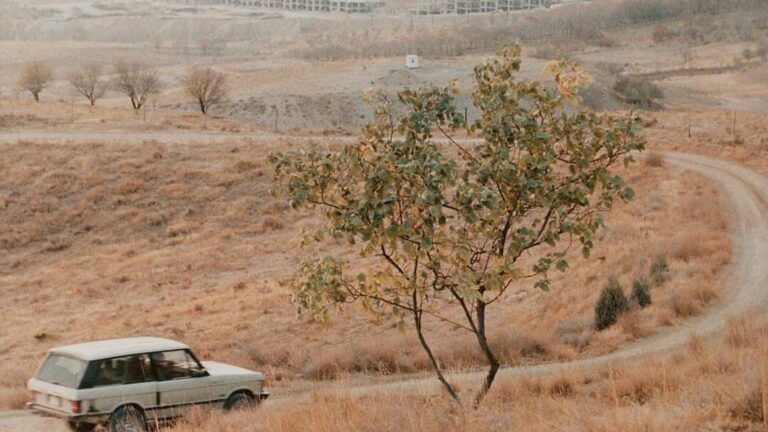
The Independent was invited to cover “Taste of Cherry” during the Boston Festival of Films from Iran at the Museum…
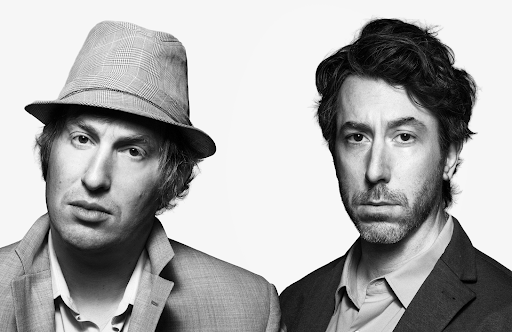
The film is a celebration of a style that has largely disappeared from mainstream media. The comedy relies almost entirely on pop culture references and situational humor. It is a return to a simpler style of comedy, similar to that made by early YouTubers who had little but their friends and a webcam. While it still has that “early internet” feeling, Johnson and McCarroll find a way to make it relevant. Meta 4th-wall breaking and seamless restitching of never before seen archival footage are used tastefully rather than shoved in the viewer’s face. The movie is almost entirely set in real Toronto locations, harkening back to the 2000s style of mockumentary filmmaking popularised by projects like “The Office” and “Borat.”