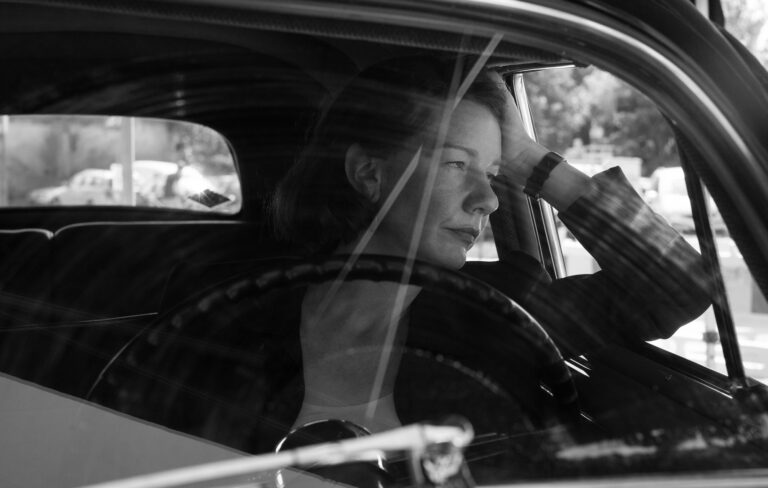
In ‘Peter Hujar’s Day,’ That’s the Way It Happened
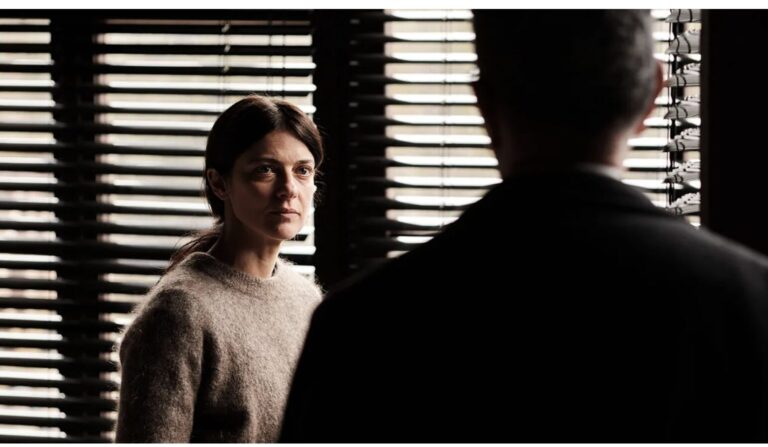
“Peter Hujar’s Day” tells the unconventional true story of a day in the life of the photographer Peter Hujar, as…
James Gunn has one of the most prolific careers in the modern cinematic landscape. After getting his start as a punk-indie darling, he has become one of Hollywood’s most consistently successful directors.
Since the beginning of his career, Gunn’s directorial style has been consistently characterised by the use of copywritten music. On its own, this is not unique; other directors, such as Quentin Tarantino, used radio music in films like “Pulp Fiction.” However, those songs were less centered in the story, simply enhancing what was already there.
Barbara Hammer spent decades filming lesbian bodies and desire, insisting audiences feel what they’d largely never seen. A pioneering experimental filmmaker, she created over 80 films that made queer life visible when very few others would. This year, “Barbara Forever,” premiered at the Sundance Film Festival, telling Hammer’s life story through her own voice and archive.
Part of what makes “Yellowjackets” so unforgettable is the way its soundtrack is used as a narrative anchor. The series follows a group of women, both as teenage soccer players enduring a devastating plane crash in the late ‘90s that leaves them stranded in the Canadian wilderness for 19 months, and, 25 years later, as middle-aged women, who are still coping with the effects of what happened when they were younger. Instead of relying on mainstream nostalgia, “Yellowjackets” leans into the grit and vulnerability of ‘90s alt-rock and the reflective nature of indie. To understand “Yellowjackets” in all its depth, one must pay attention to the show’s rich musical world.
Following recent disturbing events in which American Immigration and Customs Enforcement continue to violently target peaceful immigrants and U.S. citizens…
An uptown museum and Lincoln Center fest offer unbending Jewish support in a time fraught with peril in the worldwide…
In 1978, the South Korean Park Chung-hee regime shut down a film studio that defined the country’s postwar film industry after the release of a forbidden kiss scene. Six months later, the studio’s head was abducted by the North Korean Kim Jong Il regime. The head was a South-Korean director and producer, Shin Sang-ok, who directed the film that caused the controversy: “Rose and Wild Dog.” Shin’s career survived two authoritarian governments, as well as an abduction and imprisonment. Through these constricting experiences, he continued to make films — whether under surveillance, direct orders or freely, proving that systems of censorship and political warfare will fail in their efforts to squash creativity and passion.
Currently, the United States faces its own wave of censorship catalyzed by book bans, the destruction of DEI programs and overwhelming budget cuts to universities, news organizations and national education/art programs like PBS. All the while, the implementation of artificial intelligence around the world brings a threat of unreliable media and the decentralization of individual thought. With all of these elements at play, the need to combat suppression in the creative world is more dire than ever. With the potential for films to champion a diverse array of voices and stories, one of the most powerful spaces to protect this freedom is in the film festival realm.
I’ve questioned my own gaze for years. As a small child, I observed my three sisters — triplets eight years older than me — become women, and marveled at the power, allure and dynamism in femininity. Simultaneously I saw men lie, cheat and be violent in their reach for women. And I’ve gazed at myself in the mirror, watching my perception of self shift from day to day. My own perception of myself is as capricious as the winds, rising and falling with my mood, my cycle, the day’s events.